





 |
|
|||||||||||||||
 |
||||||||||||||||











 |
|||
 |
Bethlehem Church of the Nativity – History, Architecture & Significance 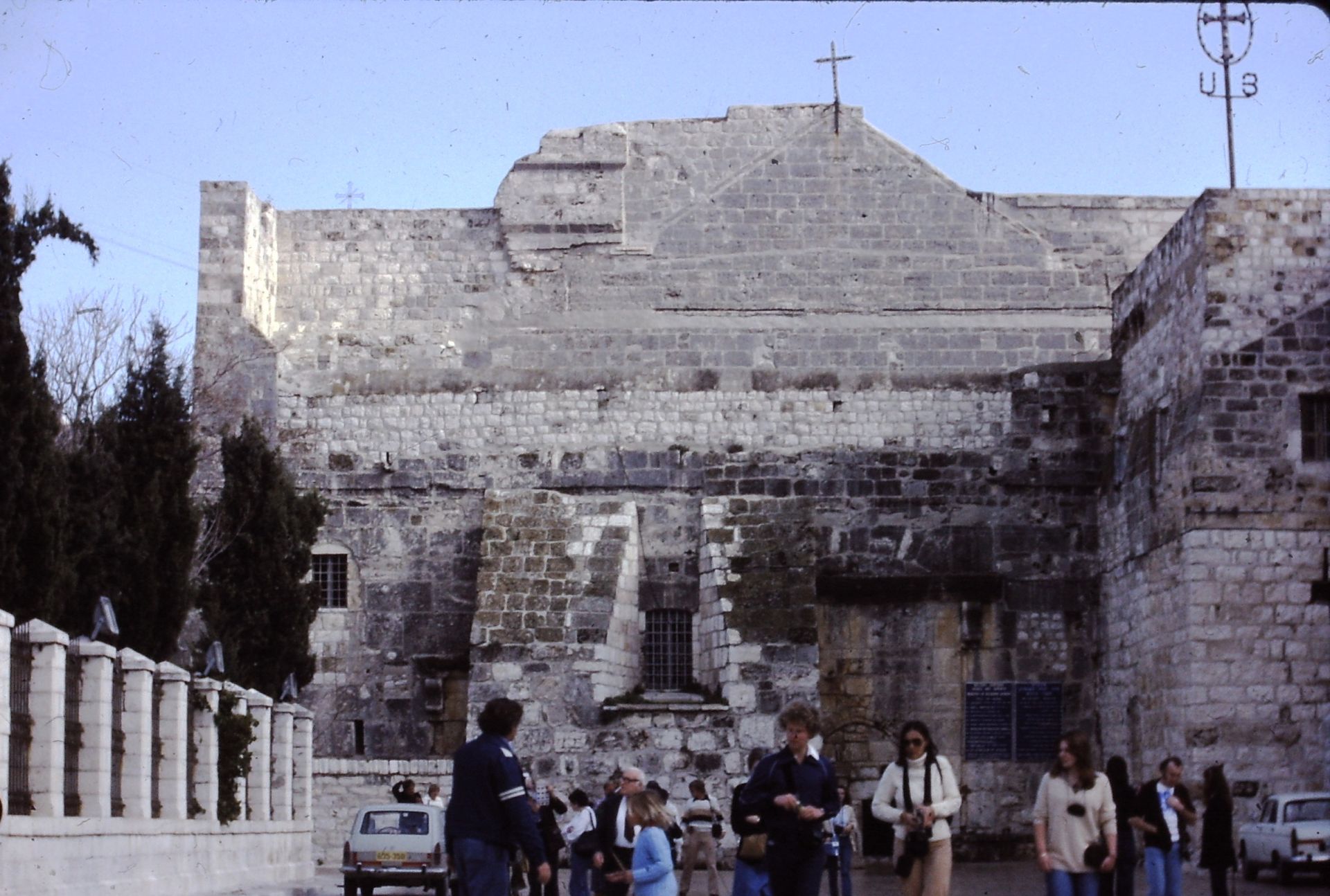
The Church of the Nativity in Bethlehem is revered as the traditional birthplace of Jesus and is one of the oldest continuously used Christian churches and the oldest major church in the Holy Land still in use. The first church was commissioned by Emperor Constantine and his mother Helena shortly after her pilgrimage in 325–326 CE. The structure was built directly over the cave venerated as the birthplace of Christ and was erected between 330 and 333 CE and formally dedicated in 339 CE, making it one of the earliest major Christian sanctuaries in the world. Christ is widely believed to have been born in a cave used as a stable because early Christian writers explicitly described a cave near Bethlehem as the birthplace, a tradition leading Helena to build the first basilica directly over that cave in the 4th century. Archaeology and historical custom reinforce this: in first‑century Judea, caves were commonly used as stables, far more practical than wooden barns in a region with scarce timber, and the Gospel’s mention of a manger fits this domestic cave‑stable setting. By contrast, the familiar wooden stable comes from much later European artistic imagination, not ancient evidence. The Constantinian church remained for nearly two hundred years before being destroyed during the Samaritan revolts, most likely in 529 CE. Around 530–565, Emperor Justinian I rebuilt it, preserving the basilica plan but adding a cruciform transept and three apses. Although the Constantinian superstructure is no longer, much of the 6th century structure still stands, the site itself, the grotto, and parts of the original floor remain integral to the present complex. Since Justinian’s reconstruction the basilica has undergone major phases of repair, restoration, and reinforcement. The next major wave of work came under the Crusaders (12th century) who repaired and embellished the basilica adding wall mosaics and painting decoration, some of which have survived. They built two bell towers, which did not survive due to neglect, collapse or dismantling, which had happened by the Ottoman period. The church was also to suffer neglect under Ottoman rule (16th–19th centuries), but it did receive periodic repairs in that the roof was repeatedly patched or replaced, often with foreign funding. Structural maintenance was also carried out to prevent collapse, though often minimally. In addition, the silver star marking the birthplace was installed although this was stolen in 1847. Since 1852, the church has been governed by an arrangement granting shared custodianship to the Greek Orthodox, Armenian Apostolic, and Roman Catholic communities. This agreement regulates everything from liturgical schedules to who may clean which step - an arrangement that preserves peace in a deeply venerated and symbolically charged space. Around the church are three distinct monastic enclosures. These are Greek Orthodox (custodians of the main altar and grotto): Armenian Apostolic (south transept and cloister) and Roman Catholic (St. Catherine’s Church and cloister). In the 19th–20th Century, European powers gained influence in the region, and they sponsored further work. This resulted in repairs and Conservation work and in the expansion of the surrounding monastic complexes. These works preserved the Justinianic shell while adding modern monastic architecture around it, including the modern Catholic and Armenian bell towers. 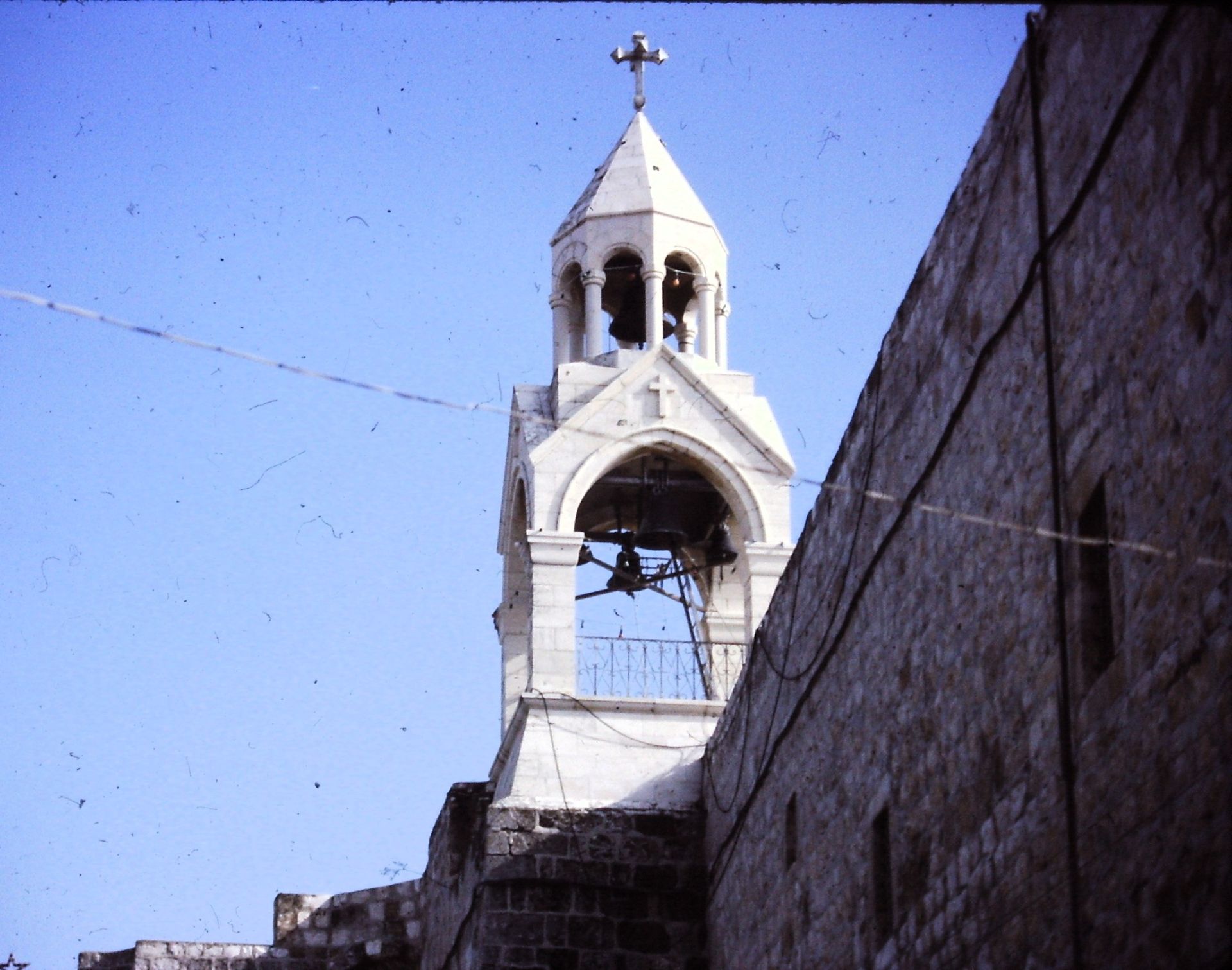 In 2012, the Church of the Nativity and the Pilgrimage Route in Bethlehem were inscribed as a UNESCO World Heritage Site, recognizing both its architectural antiquity and its central role in global Christian pilgrimage. The approach to the church is via Manger Square with the façade in front and the Armenian monastery to the side. The approach is intentionally unceremonial in appearance, emphasising that the holiness of the site lies not in grandeur but in the humble birth it commemorates. The façade appears like a fortress, an indication of centuries of conflict and preservation. The transition from the open square to the church begins at the Door of Humility, with its famously small entrance which is only about 1.2 meters high - that forces every visitor to bow physically as they enter. This doorway was reduced in size during the medieval and Ottoman periods to prevent mounted entry and prevented anyone riding horses or carts into the church. Subsequently, it has taken on a spiritual meaning: a required gesture of lowering the head, an act of humility before approaching the birthplace of Christ. Passing through the doorway, the visitor enters into the long, tall nave with its 44 columns arranged in four rows. Each column is around 6 meters (20 feet) tall, carved from single pieces of local stone. 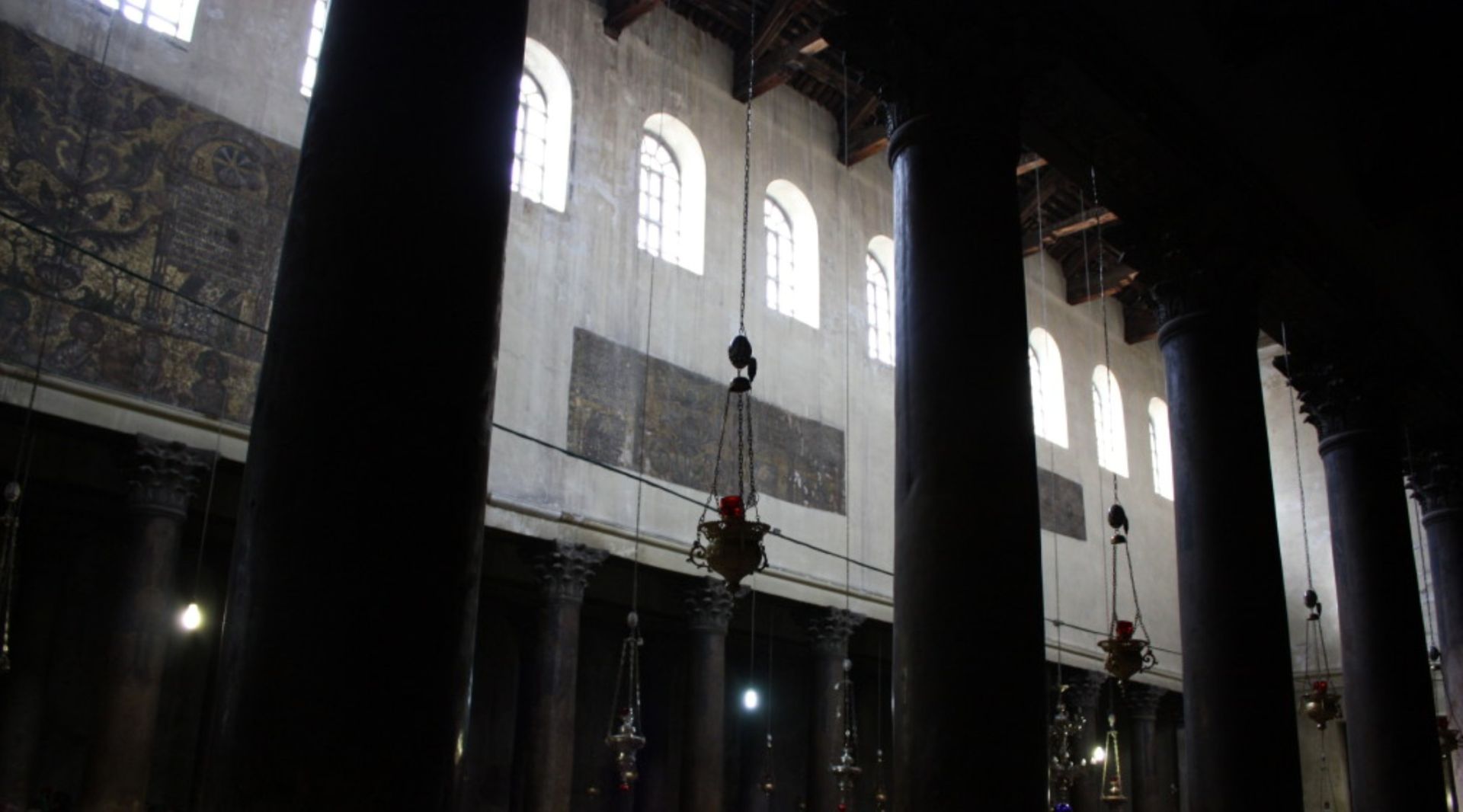 The contrast between the tiny entrance and the vast interior amplifies the sense of arrival. The nave’s columns, mosaics, and exposed ancient floors immediately shift the visitor from the humility of the threshold to the grandeur of a 6th‑century basilica. At the eastern end of the basilica is the altar, this is the second altar in the church as the original built between 330–339 CE under Constantine and Helena was destroyed in 529 CE during the Samaritan revolts. The second altar was installed by Emperor Justinian I when he rebuilt the basilica around 565 CE. This altar still exists today, though with later embellishments. 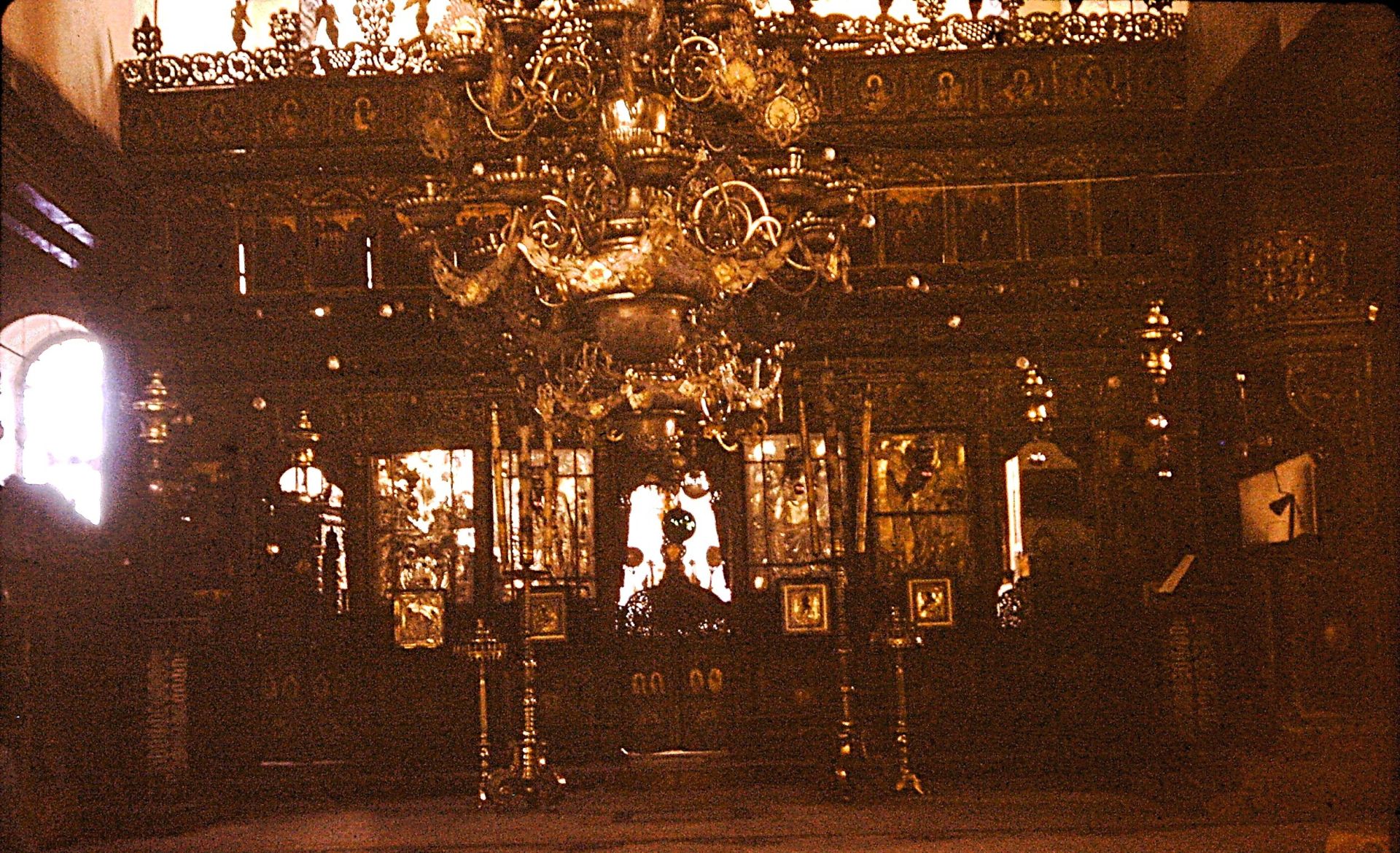 The altar is positioned directly above the descent into the Grotto of the Nativity and anchors the entire ceremonial axis of the church and expresses the layered history of Constantinian, Justinianic, and Crusader interventions. The placement preserves the ancient tradition of situating the liturgical focus directly above the sacred cave, maintaining continuity with the original 4th‑century design. Beneath the altar lies the Grotto of the Nativity, a small, rock‑cut cave that has been venerated since at least the 4th century as the birthplace of Jesus, and it remains the oldest continuously used place of Christian worship. It is reached by descending steps near the main altar, where the cave opens into a narrow, dimly lit chamber about 12 meters long and 3 meters wide, now lined with marble but originally a natural limestone shelter. At its centre lies a 14‑point silver star set into the floor, inscribed with the Latin words “Hic de Virgine Maria Jesus Christus natus est” (“Here Jesus Christ was born to the Virgin Mary”), marking the traditional spot of the Nativity. The star was replaced in 1853, after the previous one had been stolen in October 1847 during a dispute between Greek Orthodox and Catholic custodians causing a major international incident. The new star, which is the one in place today, was installed by the Catholic Church. The grotto also contains the Grotto of the Manger, slightly lower in level, where a rock‑cut feeding trough - now covered in marble - recalls the Gospel detail that Jesus was laid in a manger. Over centuries the cave has been adorned with lamps, draperies, and devotional objects, and today it is administered primarily by the Greek Orthodox Church, with designated spaces for Catholic and Armenian rites.
|
 |
|
 |
|||


All Photographs were taken by and are copyright of Ron Gatepain


| Site Map |