







 |
|
|||||||||||||||
 |
||||||||||||||||











 |
|||
 |
Athens Panathenaic (Olympic) Stadium – History, Architecture & Significance 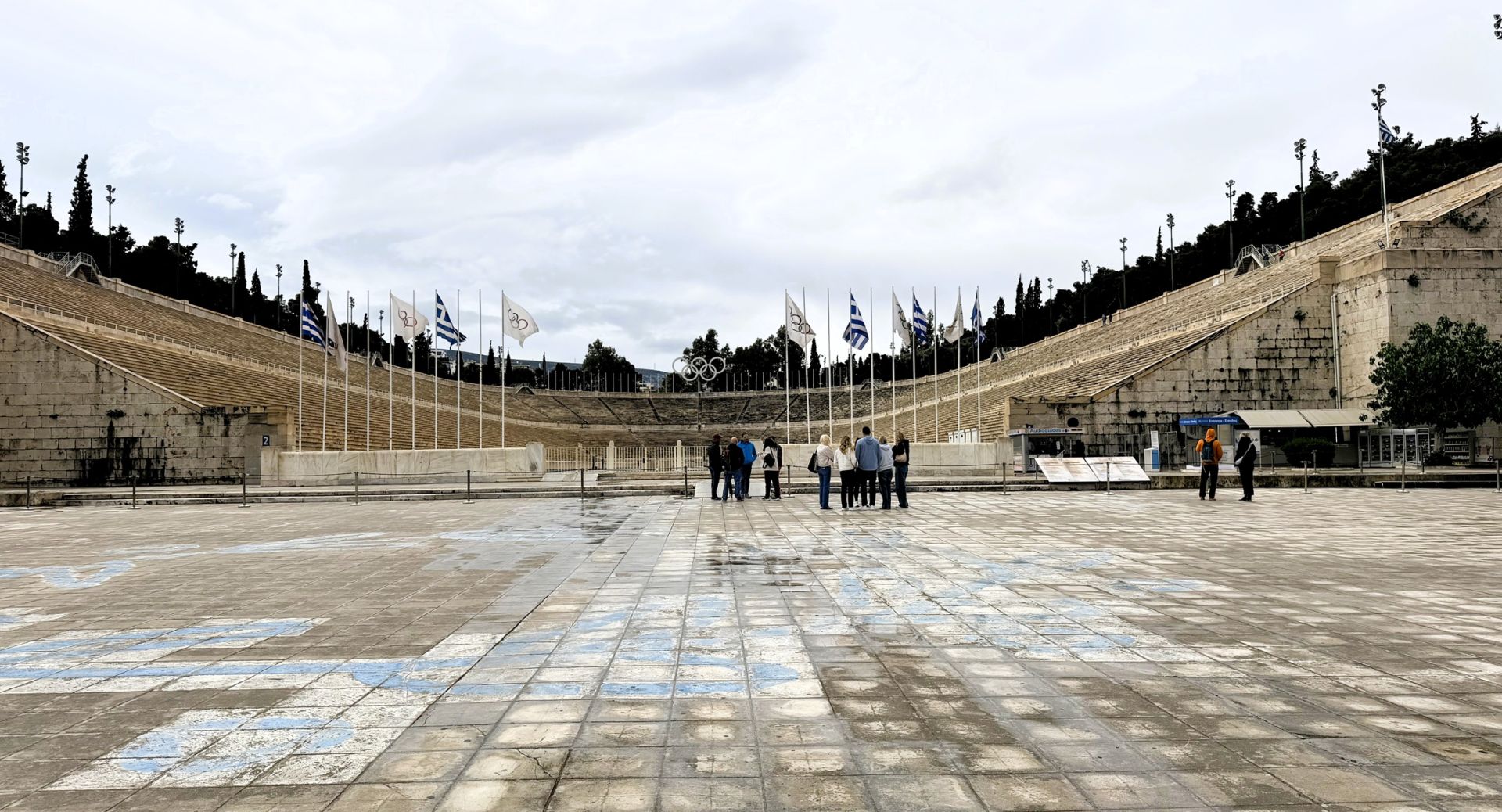
The Panathenaic (Olympic) Stadium in Athens, known as the Kallimarmaro for its brilliant white Pentelic marble, is one of the most distinctive historic sporting monuments in the world and the only stadium built entirely of marble. Set within a natural ravine between the hills of Agra and Ardettos, its location was chosen in antiquity for the natural slopes that once formed the earliest seating. Athletic contests were held here as early as the 6th century BCE, when the Panathenaic Games in honour of Athena took place on a simple racecourse without permanent structures. In the 4th century BCE, the Athenian statesman Lycurgus formalised the site by constructing a long stadium of poros limestone, establishing the basic shape that would define the monument for centuries. The most significant ancient transformation occurred in the Roman period, when the wealthy Athenian benefactor Herodes Atticus rebuilt the entire stadium in marble around 140–144 CE. This reconstruction gave the stadium its characteristic horseshoe form and increased its capacity to around 50,000 spectators, combining classical Athenian aesthetics with Roman scale. The marble seating, arranged in long, sweeping tiers, created a monumental setting for the Great Panathenaea, and it is from this phase that the stadium gained its enduring nickname, “beautiful marble.” After the ban on pagan festivals in the late 4th century CE, the stadium fell into disuse and was gradually buried beneath centuries of soil and debris. Interest in the site revived in the 19th century, when archaeological excavations in 1869–70 uncovered the ancient marble tiers and revealed the stadium’s elongated form. 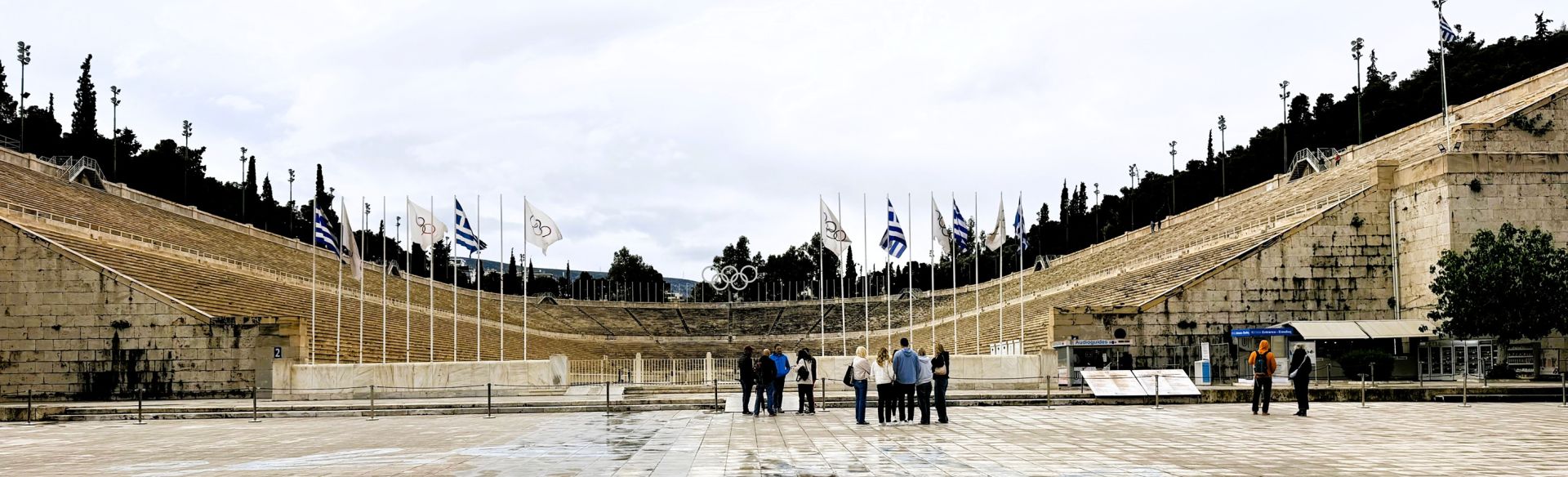 The rediscovery coincided with early efforts to revive the Olympic Games, and the stadium hosted the Zappas Olympics of 1870 and 1875, which served as precursors to the modern Olympic movement. When Athens was chosen to host the first modern Olympic Games in 1896, the stadium was completely reconstructed in marble, funded by the Greek benefactor George Averoff and designed by Anastasios Metaxas and Ernst Ziller. The architects followed the ancient layout closely, creating a structure that seated between 60,000 and 80,000 spectators and restored the stadium’s ancient grandeur. It became the central venue for the 1896 Games, hosting the opening and closing ceremonies and several athletic events, and its gleaming marble stands became an enduring symbol of the reborn Olympics. 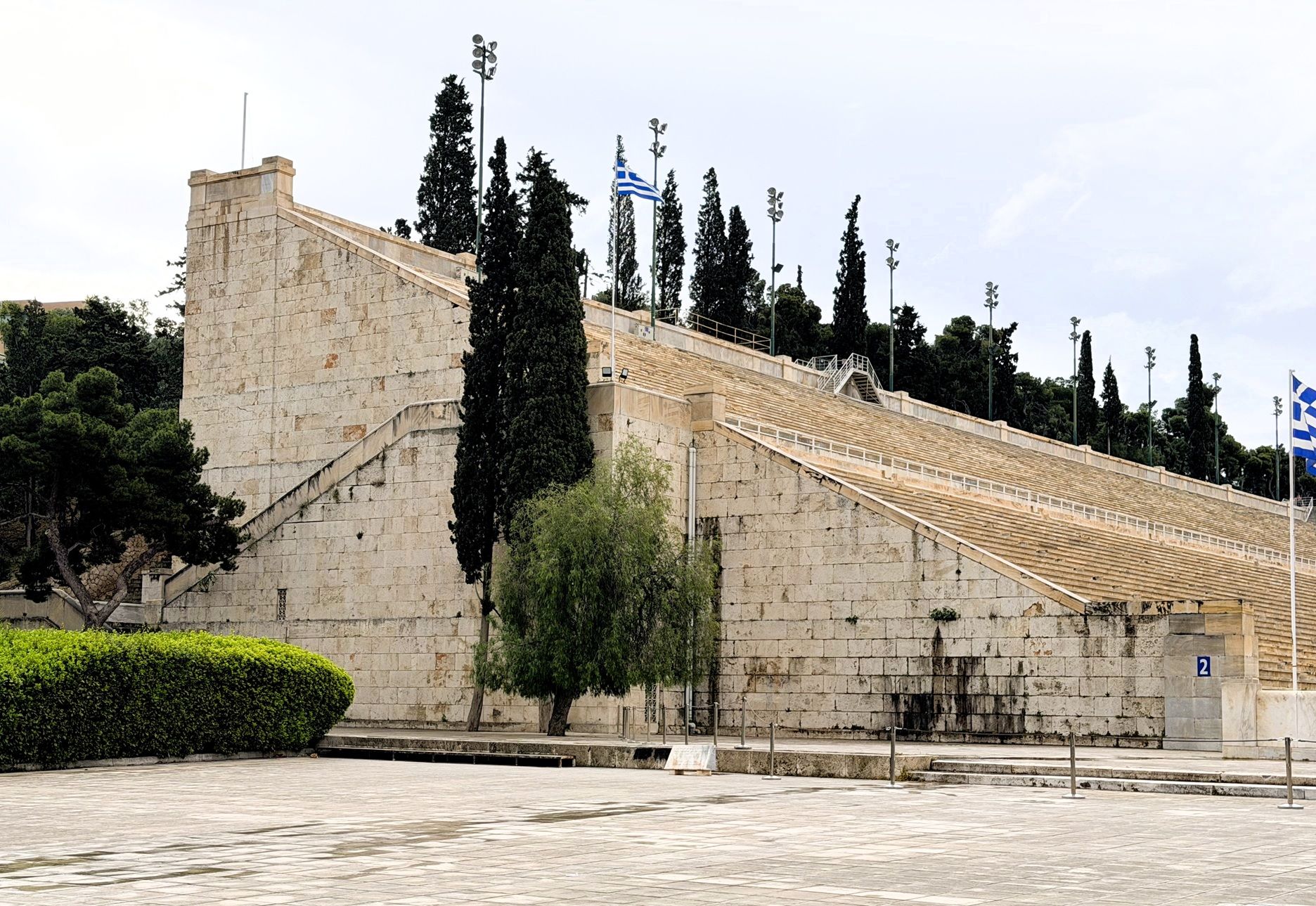 At the entrance to the Stadium are a row of tall flagpoles, and the flags displayed there follow a consistent pattern. The Greek national flag is always present and is usually shown in multiple positions along the row, reflecting the stadium’s status as a national monument. Alongside the Greek flags are the Olympic flag, bearing the five interlocking rings. This is displayed due to the stadium being the birthplace of the modern Olympic Games and the site where the Olympic flame is formally handed over to each host city. In many photographs the arrangement shows alternating Greek and Olympic flags, typically five in total, though the exact number can vary depending on ceremonial use. No other national flags are normally flown there; the display is specifically intended to emphasise the stadium’s dual identity as both a Greek historic landmark and a central symbol of the Olympic movement. 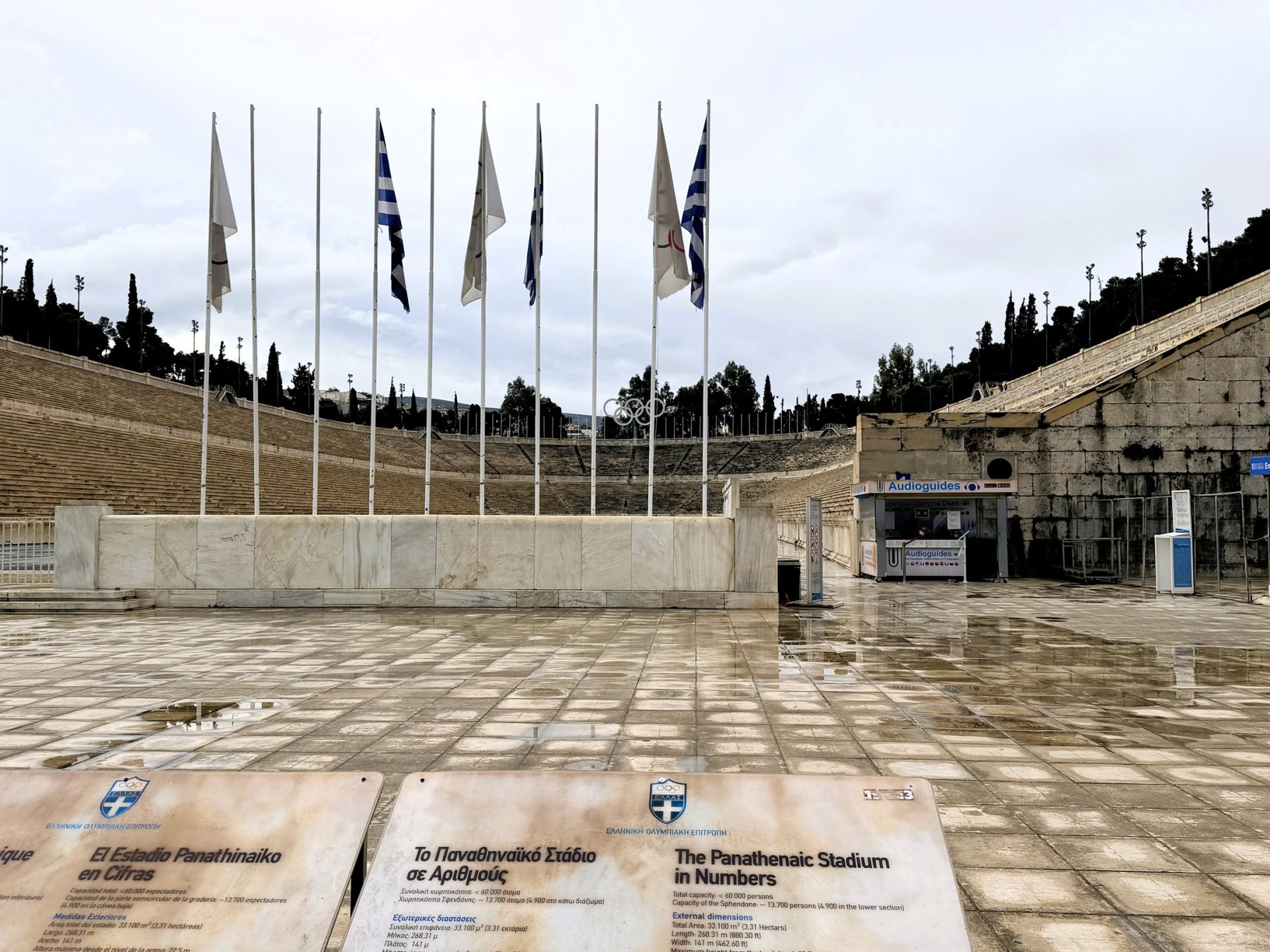 The Olympic rings displayed above the far end of the Stadium are a modern addition that symbolises the stadium’s continuing role in the Olympic movement. The rings were first designed in 1913–14 and therefore did not exist during the 1896 Games. Their presence at the stadium reflects its status as the birthplace of the modern Olympics and the venue where the Olympic flame is formally handed over to each host city. The rings were installed to mark this ongoing connection and to make the stadium instantly recognisable as an Olympic landmark. They were removed for more than a decade but were reinstalled in 2023 after the Hellenic Olympic Committee secured the necessary cultural heritage permissions, restoring a symbol that visitors strongly associate with the site’s Olympic identity. 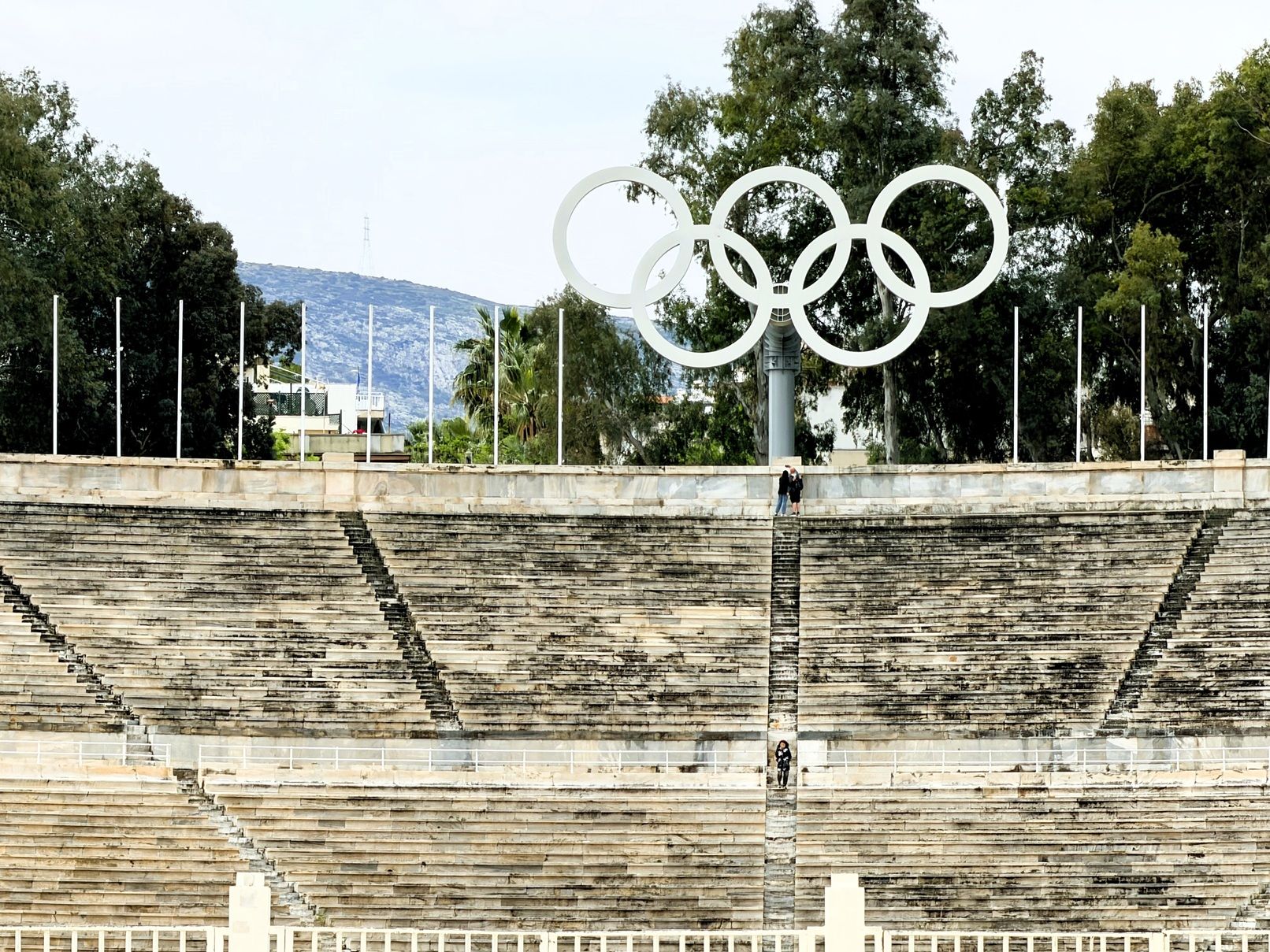 The line set into the ground of the Stadium marks the ancient starting line of the track, the exact point from which athletes began their races in antiquity. Excavations revealed that the ancient track was marked by marble pillars and herms dedicated to Hermes, the god associated with athletes, and these stood at the start and finish of the stadium. The line corresponds to the position of the ancient balbis, the marble starting edge against which runners placed their feet before sprinting down the long, narrow track. Its placement follows the original geometry of the stadium, which was preserved when the site was rebuilt for the 1896 Olympic Games, meaning the line also served as the starting point for the first modern Olympic races. Today it survives as a visible reminder of the stadium’s ancient athletic function, allowing visitors to stand exactly where competitors lined up more than two thousand years ago. 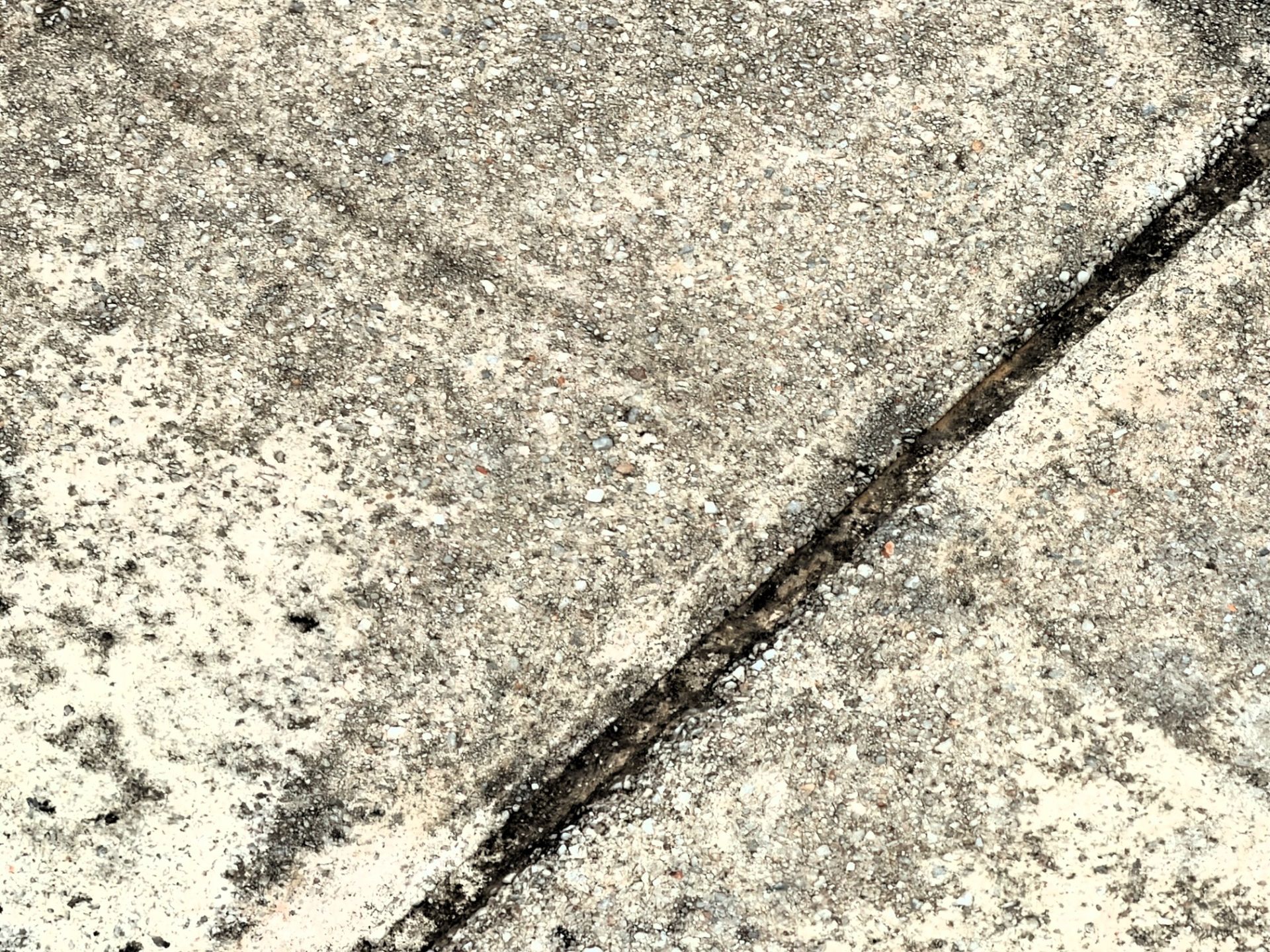 The stadium’s architectural character is defined by its long, narrow footprint and tight curves, which differ markedly from modern oval stadiums. The shape reflects the constraints of the natural ravine and the requirements of ancient footraces, producing a distinctive geometry that visitors immediately notice when walking on the track. The seating bowl, entirely of Pentelic marble, rises steeply on both sides, creating a dramatic sense of enclosure. At the closed end of the horseshoe stands the sphendone, where in 1896 a royal box was installed; this remains one of the most recognisable features of the stadium. Beneath the seating runs a vaulted passageway that today houses a small exhibition of Olympic torches and memorabilia, linking the ancient site with the modern Games. Outside the entrance stands the marble statue of George Averoff, erected in 1896 in gratitude for his funding of the reconstruction, while an ancient herm of Hermes discovered during the 19th century excavations recalls the site’s deep athletic heritage. 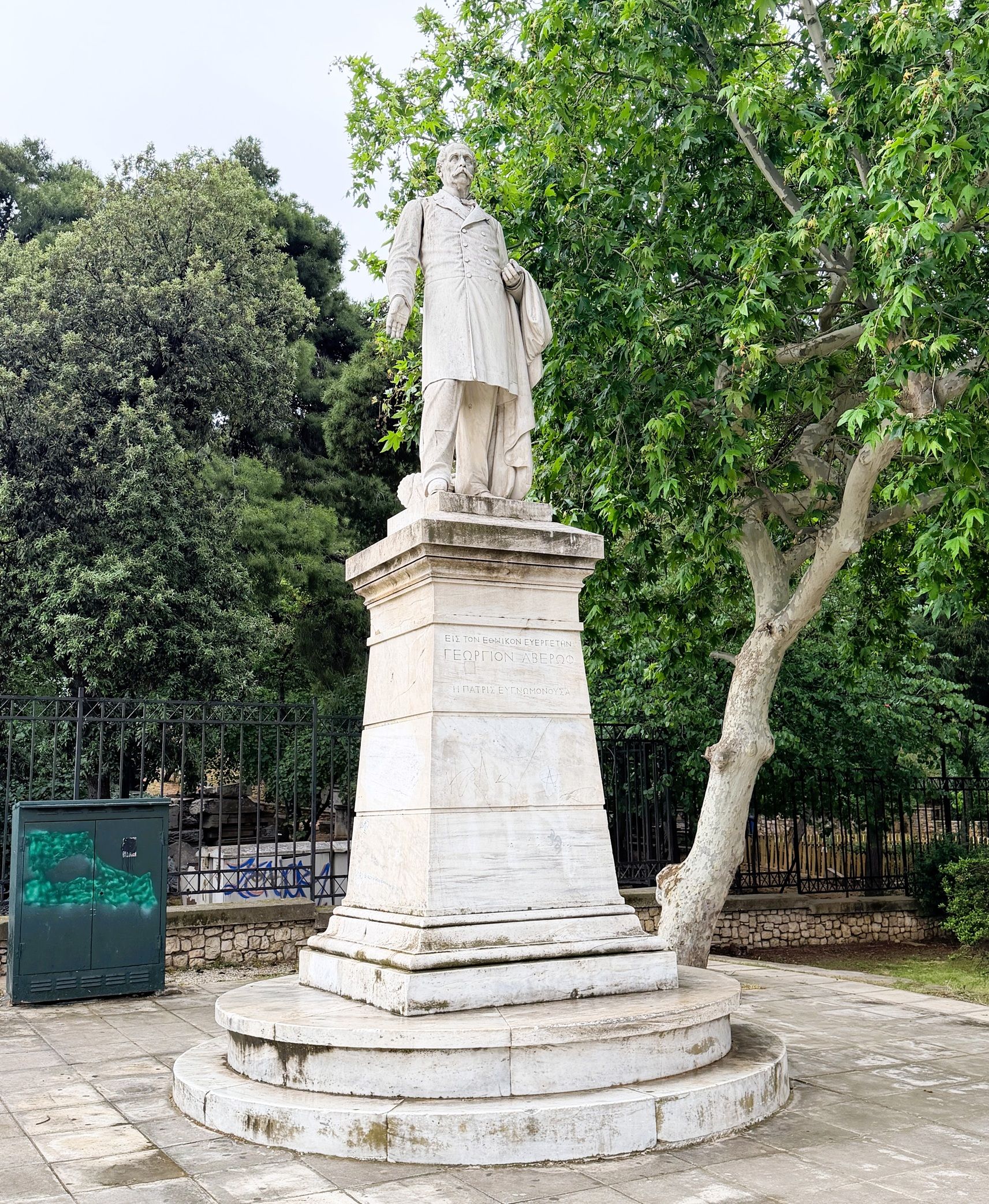 The setting of the stadium contributes greatly to its character. It lies just east of the National Gardens and the Zappeion, framed by the pine covered slopes of Ardettos and Agra. Until the mid 20th century, the Ilissos River flowed directly in front of the entrance, and the area was surrounded by ancient sanctuaries and gymnasia, including the spring of Kallirrhoe and the Cynosarges gymnasium. Although the river now runs beneath modern avenues, the landscape still conveys the sense of a natural hollow adapted for monumental architecture. 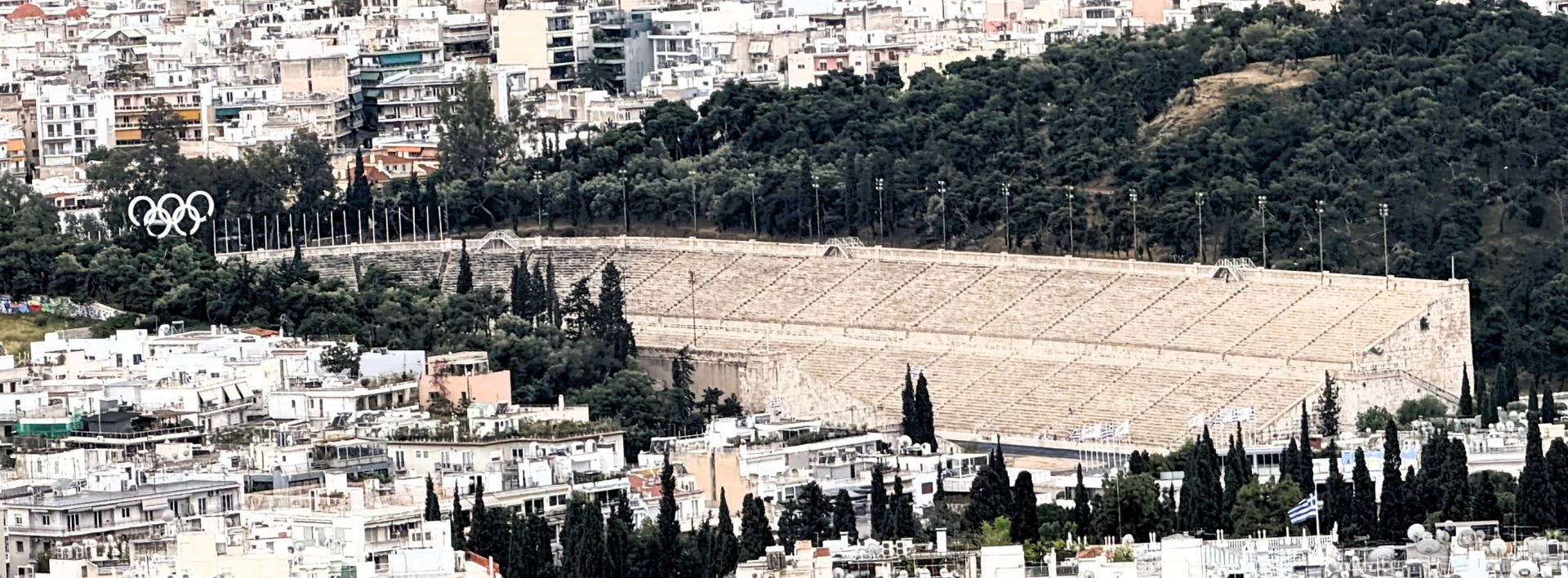 In the modern era, the Panathenaic Stadium has remained an active ceremonial and sporting venue. It is the finishing point of the annual Athens Classic Marathon, linking the modern race with the ancient story of the Battle of Marathon. During the 2004 Olympic Games, it hosted the archery competition and the marathon finishes, reaffirming its symbolic role in Olympic history. It is also the site where the Olympic flame is formally handed over to the host nation before each Games, a ceremony that underscores the stadium’s unique position as a bridge between antiquity and the modern world. The lighting and transfer of the Olympic flame is one of the most symbolic rituals connected with the Panathenaic Stadium, and it links the modern Games directly with their ancient origins. The flame is first lit at Olympia, not Athens, using a parabolic mirror that concentrates the sun’s rays—an intentional echo of ancient Greek ideas about purity and divine light. Once lit, the flame is carried by a relay of torchbearers across Greece, following a route that always ends at the Panathenaic Stadium. Here, in a formal ceremony held in the marble arena, the flame is presented to the Hellenic Olympic Committee, who then pass it to representatives of the next host nation. This handover takes place on a raised platform at the closed end of the stadium, with the Greek and Olympic flags flying above and the Olympic rings visible behind. The moment symbolises the continuity of the Games from antiquity to the present, with the Panathenaic Stadium serving as the final Greek stage before the flame begins its international journey. From this point, the host nation carries the flame back to its own country to begin the wider Olympic Torch Relay that culminates in the lighting of the cauldron at the opening ceremony. Today, visitors can walk on the marble track, climb the steep tiers, and explore the exhibition beneath the stands, experiencing a monument that combines ancient origins, Roman benefaction, 19th century revival, and modern Olympic tradition. The Panathenaic Stadium remains one of Athens’ most significant historic structures, remarkable not only for its architecture and materials but also for its continuous association with athletic competition across more than two millennia. References and Additional Information https://en.wikipedia.org/wiki/Panathenaic_Stadium https://www.britannica.com/place/Panathenaic-Stadium https://www.panathenaicstadium.gr/en/home https://www.angelsathens.gr/en/blog/museums/panathenaic-stadium-kallimarmaro-guide https://www.athenskey.com/panathenaic-olympic-stadium.html
|
 |
|
 |
|||


All Photographs were taken by and are copyright of Ron Gatepain


| Site Map |