





 |
|
|||||||||||||||
 |
||||||||||||||||












 |
||
 |
Hanoi  One Pillar Pagoda 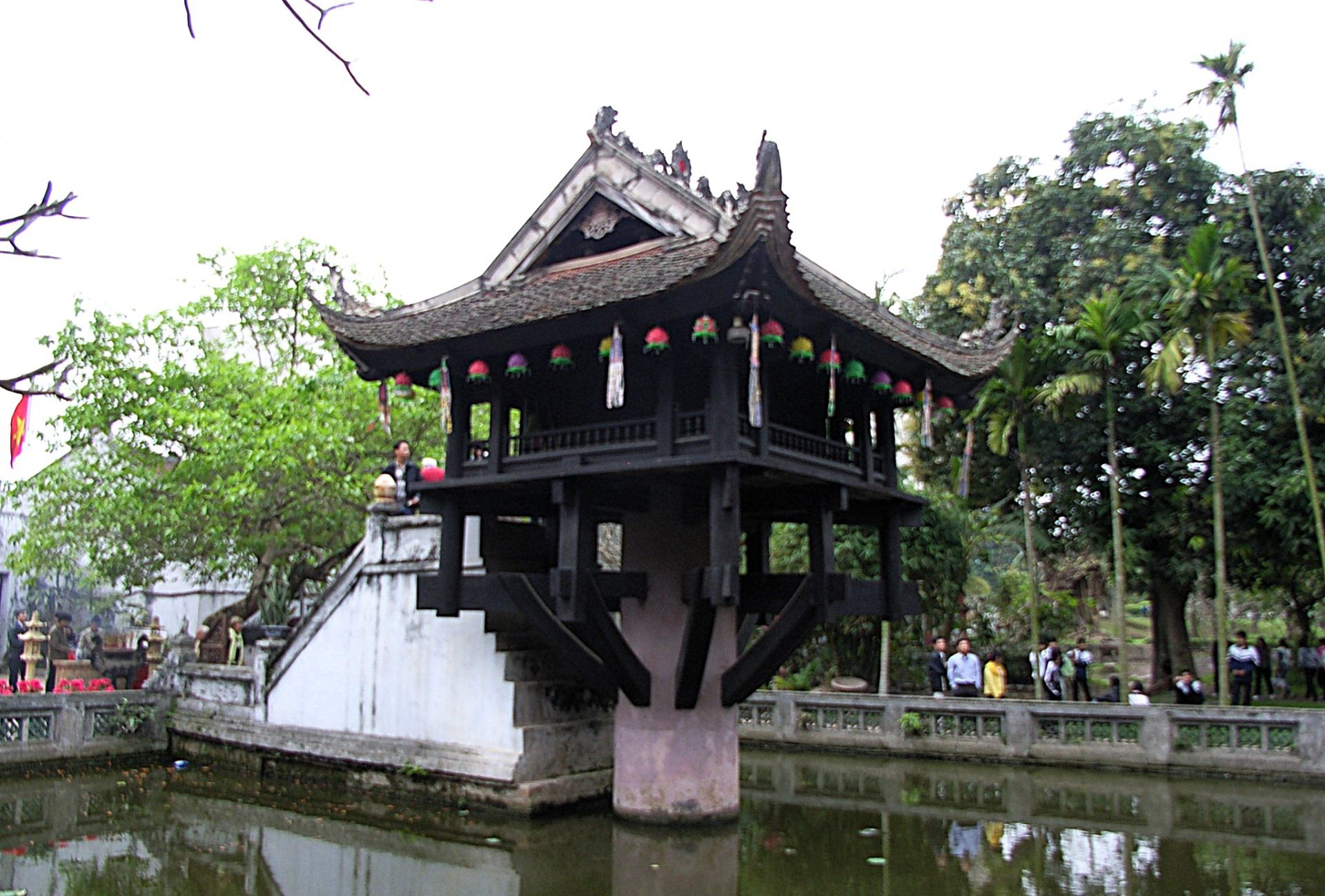 The One Pillar Pagoda in Hanoi is a small wooden shrine perched on a single stone pillar rising from a lotus pond, creating the literal image of a lotus blossom emerging from muddy water to express purity, compassion, and enlightenment. Constructed in gratitude by Emperor Lý Thái for Bodhisattva Avalokiteśvara granting him a son. Its design blends royal gratitude, Buddhist cosmology, and architectural minimalism, making it one of the most concentrated and poetic expressions of the lotus symbol in Southeast Asia. READ MORE The One Pillar Pagoda in Hanoi is a small wooden shrine perched on a single stone pillar rising from a lotus pond, creating the literal image of a lotus blossom emerging from muddy water to express purity, compassion, and enlightenment. Constructed in gratitude by Emperor Lý Thái for Bodhisattva Avalokiteśvara granting him a son. Its design blends royal gratitude, Buddhist cosmology, and architectural minimalism, making it one of the most concentrated and poetic expressions of the lotus symbol in Southeast Asia. READ MOREHouse of Ho Chi Minh, House No.54 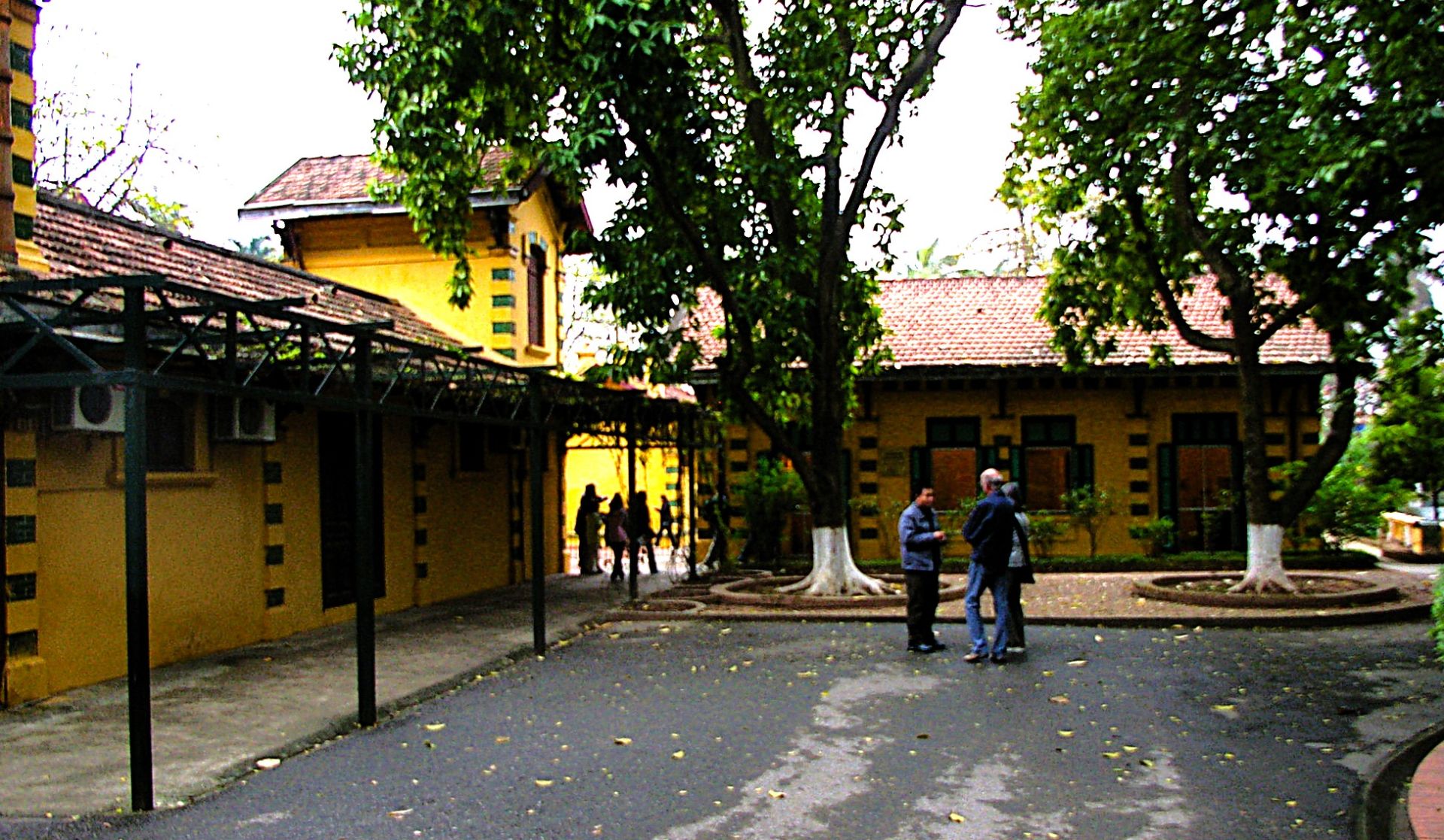 House No. 54 is a small, pre‑1954 French colonial service house beside the lake within the Presidential Palace complex in Hanoi, originally built as modest staff housing for a French electrician, and later used by Ho Chi Minh from 1954 to 1958 because it was simple three roomed house, already available, close to the administrative centre, and offered a quiet lakeside setting that suited his preference for modest living. READ MORE House No. 54 is a small, pre‑1954 French colonial service house beside the lake within the Presidential Palace complex in Hanoi, originally built as modest staff housing for a French electrician, and later used by Ho Chi Minh from 1954 to 1958 because it was simple three roomed house, already available, close to the administrative centre, and offered a quiet lakeside setting that suited his preference for modest living. READ MOREHo Chi Minh City (Saigon) Reunification (Independance) Palace  The Reunification (Independance) Palace in Ho Chi Minh City began as the French colonial Norodom Palace in 1871. Later it was to become the Independence Palace of South Vietnam until a 1962 bombing led to its demolition and replacement with a modernist structure. Completed in 1966; it served as the presidential residence, command centre, and seat of government until April 30, 1975, when North Vietnamese tanks broke through its gates, ending the Vietnam War and giving the building its current name. Today it is preserved almost exactly as it was in 1975, with key rooms such as the Conference Hall, Credential Room, Banquet Chamber, Presidential Office, and the underground War Bunker open to the public, functioning as both a museum and a venue for state events and official receptions. READ MORE The Reunification (Independance) Palace in Ho Chi Minh City began as the French colonial Norodom Palace in 1871. Later it was to become the Independence Palace of South Vietnam until a 1962 bombing led to its demolition and replacement with a modernist structure. Completed in 1966; it served as the presidential residence, command centre, and seat of government until April 30, 1975, when North Vietnamese tanks broke through its gates, ending the Vietnam War and giving the building its current name. Today it is preserved almost exactly as it was in 1975, with key rooms such as the Conference Hall, Credential Room, Banquet Chamber, Presidential Office, and the underground War Bunker open to the public, functioning as both a museum and a venue for state events and official receptions. READ MORE |
 |
 |
||


All Photographs were taken by and are copyright of Ron Gatepain


| Site Map |