








 |
|
|||||||||||||||
 |
||||||||||||||||











 |
|||
 |
Virginia Colonial Williamsburg St. George Tucker House 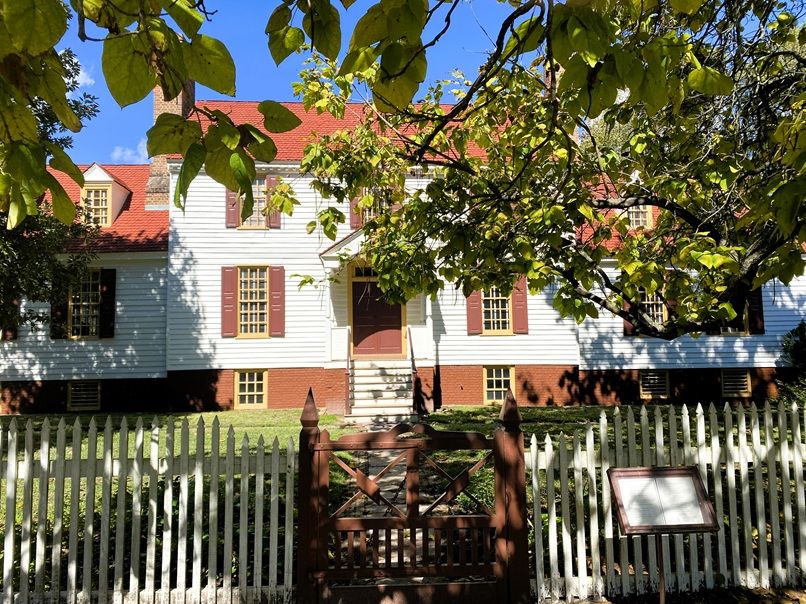
Built in 1718–19 for William Levingston, the house was later acquired and expanded by Judge St. George Tucker, a prominent jurist and professor at the College of William & Mary. The St. George Tucker House is one of the most historically significant homes in Virginia. It became the home to Judge St. George Tucker (1752-1827) who was a judge for Virginia Supreme Court of Appeals and the YS District Court. He was a Revolutionary War veteran who served on General Washington’s staff at the Battle of Yorktown; a legal scholar, and early abolitionist who acquired the house in 1788 following the death of his first wife. He purchased the property from Edmund Randolph, who was then Governor of Virginia and later U.S. Attorney General. He also obtained two other lots on Palace Green and moved the largest structure an early 18th‑century frame house from the east side of Palace Green to its present location on Nicholson Street. Over the next decade, he was to enlarge the house substantially, adding wings, chimneys, a second story, kitchen, and bathrooms to accommodate his growing family. Subsequent developments over the years are shown by drawings displayed in one of the rooms. 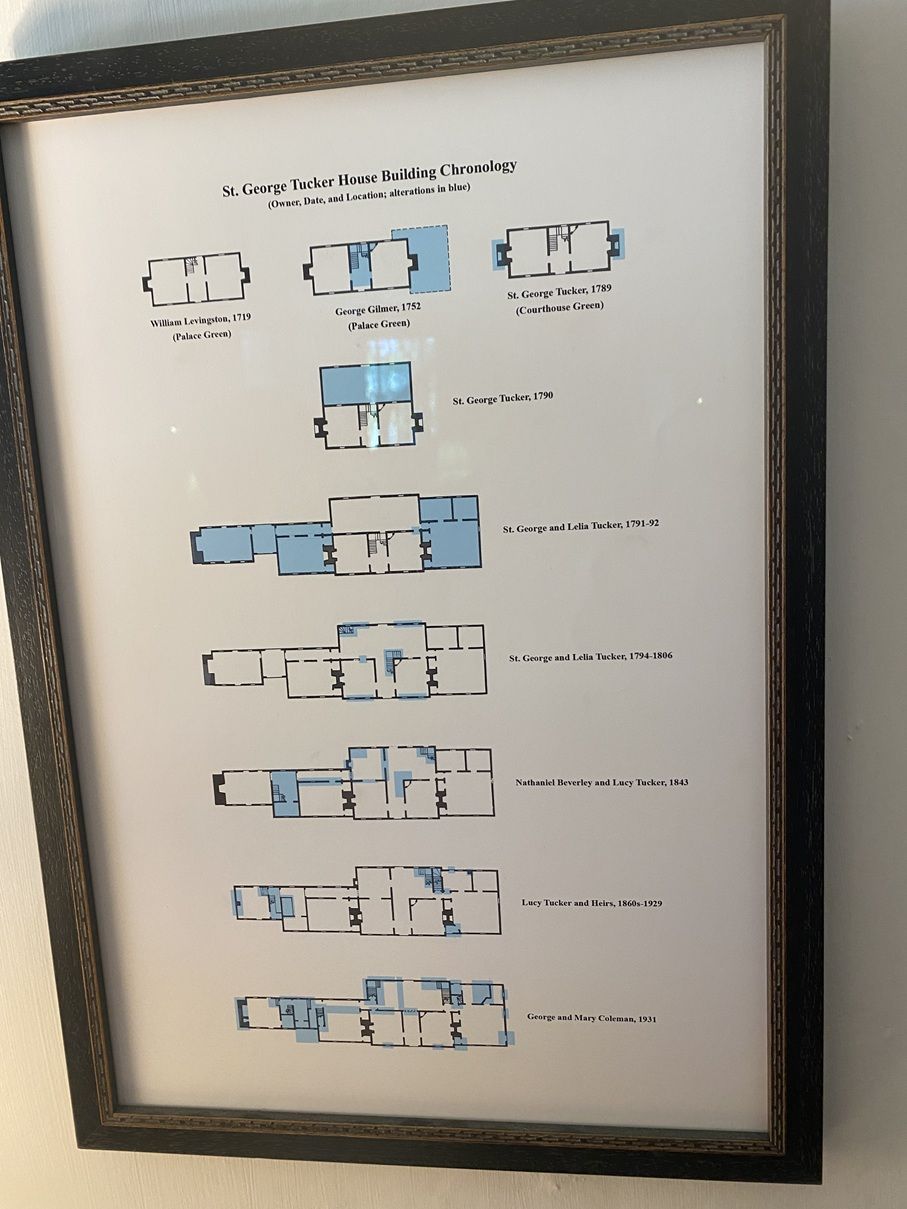 The Tucker family’s meticulous records of renovations and traditions and the recording of the first Christmas tree in Williamsburg in 1842, give historians rare insight into daily life in early Virginia. The St. George Tucker House, unlike most historic sites in Colonial Williamsburg, is a privileged-access property. It is not open to the public like other historic homes. Instead, it serves as Colonial Williamsburg’s donor reception centre and is reserved for Colonial Williamsburg supporters who contribute $250 or more annually. It’s a space where donors can relax, meet interpreters, and enjoy special programming. It reflects the foundation’s effort to honour its supporters while preserving the home’s unique history. Visitors to the House can typically see the first floor (ground floor) rooms, which include parlours and reception spaces used for donor hospitality. The house also features wings, a kitchen, bathrooms, and a second story, but access is generally limited to the main floor with the stairway being blocked off. Displayed are a number of portraits relating to Tucker, his second wife, Frances Bland Randolf Tucker and some of their family and descendants. 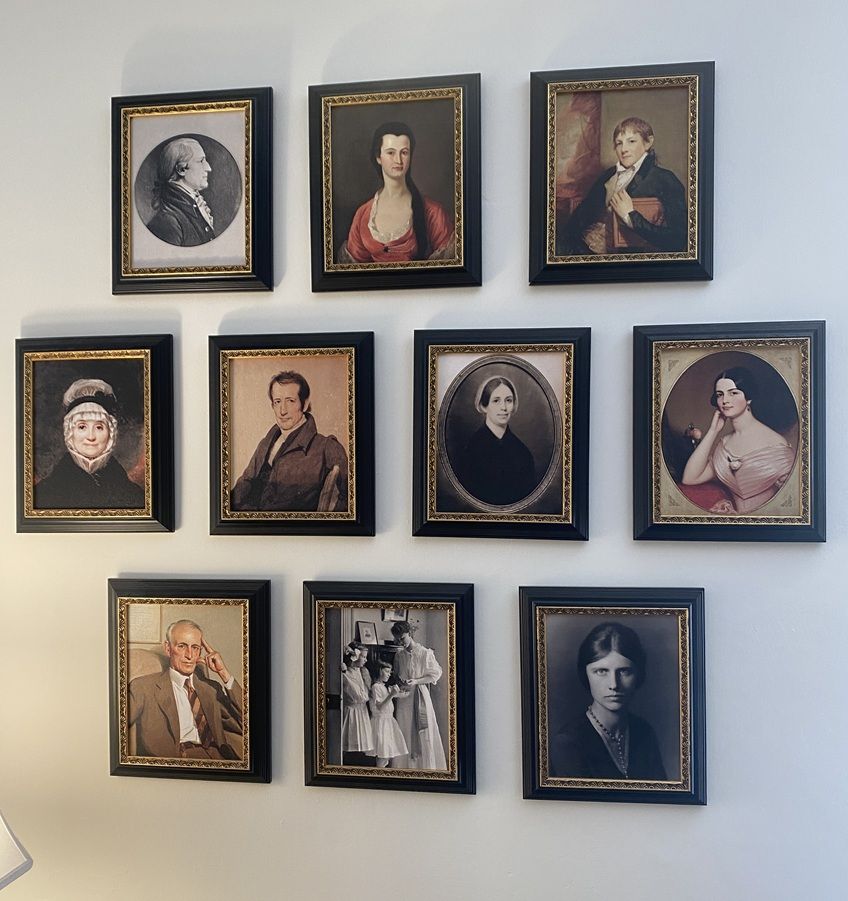 When St. George Tucker acquired and expanded the house (1788–1798), he transformed it from a modest early 18th‑century frame dwelling into a larger family residence. The main spaces include the Front Parlors (East & West) which were used for entertaining guests, family gatherings, and cultural events. On entry to the house visitors find themselves in the Foyer. The foyer served as the main entrance, connecting visitors to the parlours and dining areas. It was a place where guests were greeted before being ushered into the more formal parlours. The style reflects late 18th‑century Virginia design, with panelled walls, simple trim, and stair access to the second floor. During the Christmas season, the foyer would have been decorated with greenery, candles, and festive touches leading into the parlour where the famous 1842 Christmas tree stood. It acted as a transitional space, guiding visitors into the heart of the celebration. Today, the foyer continues to function as a reception area for Colonial Williamsburg donors although it maintains its historical character, offering a glimpse of Tucker’s domestic life while serving as a practical entry point for hospitality events. Leading off the foyer are the stairs which link the public spaces of the first floor with the more private family quarters above. In 18th‑century Virginia homes, stairs were more than practical — they represented movement from public reception areas such as parlours, dining room, to private family rooms. When Tucker enlarged the house, he added a full second story, making the staircase essential to the new layout. Today, the stairs remain part of the donor reception centre, though they are not a focal exhibit.  The Great Hall with its panelled walls, also provide stair access. Its balanced proportions, reflecting late 18th‑century Virginia design, functioned as the main artery of the house, linking the foyer to the parlours and dining areas. It was where guests were formally received before moving into the parlours for entertainment. It was the most formal and impressive area in the house, designed to showcase hospitality and status. The Great Hall would have also been the stage for family gatherings, student visits, and social occasions, especially given Tucker’s role as professor and judge: It symbolized the blending of public and private life. Today, the Great Hall functions as part of Colonial Williamsburg’s donor reception centre, maintaining its historical character while serving as a welcoming space for supporters. 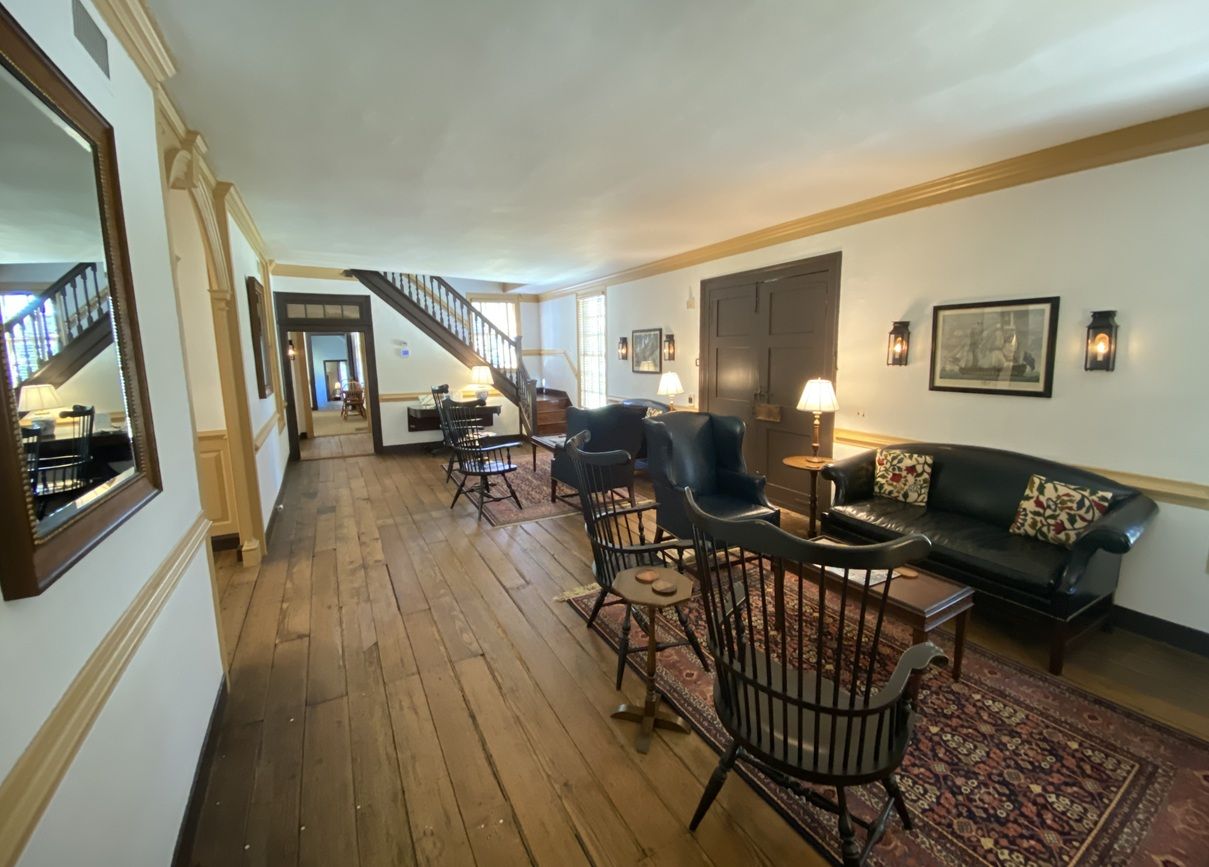 Located adjacent to the Parlors - allowing a smooth flow from reception to dining - The Dining Room was one of the most important family and social spaces, balancing everyday meals with formal entertaining. The room was simple but elegant, reflecting late 18th‑century Virginia style. Meals were not just about food - they were occasions for conversation, debate, and family bonding. The family would gather here daily, making it a central hub of household life. Tucker would also host colleagues, students, and prominent guests. The dining room was where hospitality met intellectual conversation. Today, the room is part of the donor reception centre at Colonial Williamsburg. 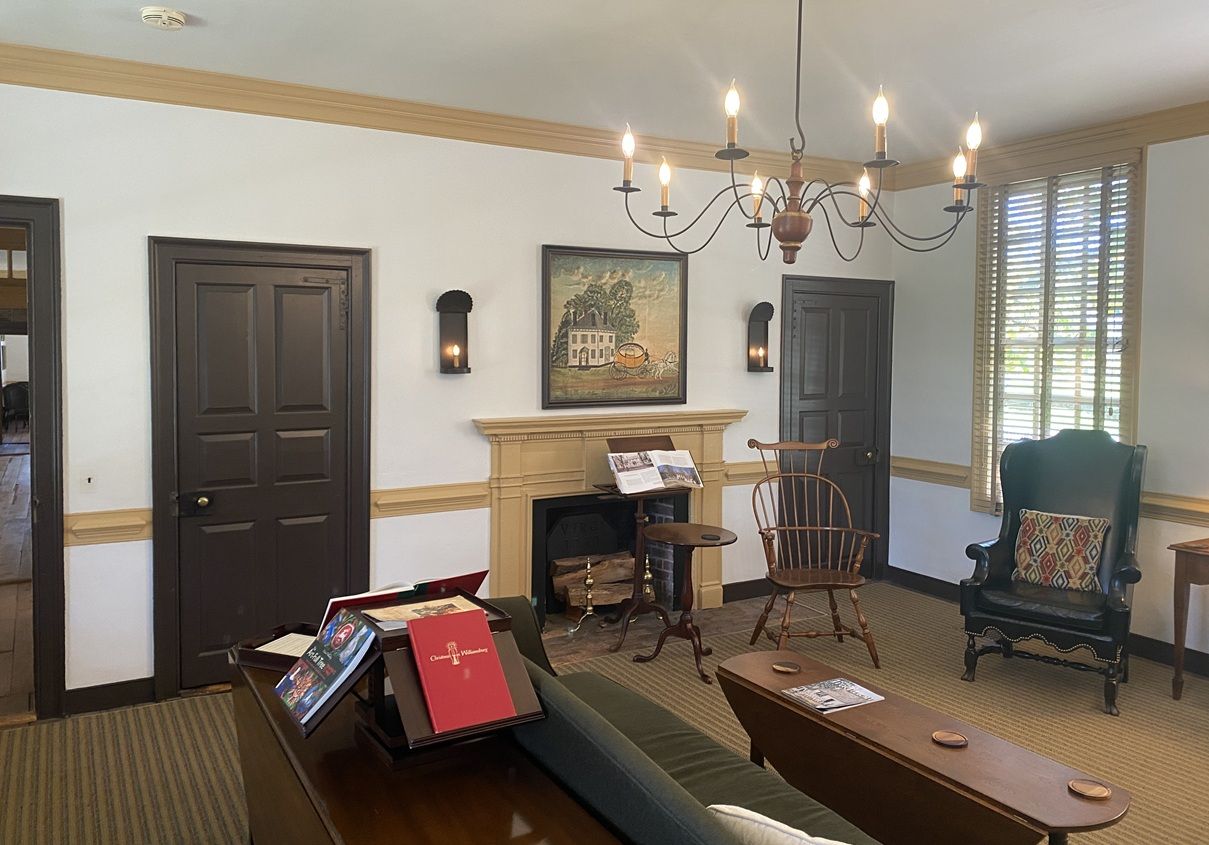 The kitchen was where meals for the Tucker family and guests were prepared daily. Designed as a separate workspace, like most 18th‑century Virginia homes, the kitchen was designed to keep heat, smoke, and labour apart from the more formal parlours and dining room. Enslaved workers or servants would have managed much of the cooking and upkeep, making it a centre of daily labour. When Tucker expanded the house, he added a kitchen and two bathrooms directly into the house, rather than keeping them as detached outbuildings. This reflected his interest in modern comforts and efficiency, setting his home apart from many Williamsburg residences. The kitchen with its large fireplace, enabled it to be used for roasting, boiling, and baking. Today the kitchen space is adapted for modern catering and event needs when donors are hosted at the house. 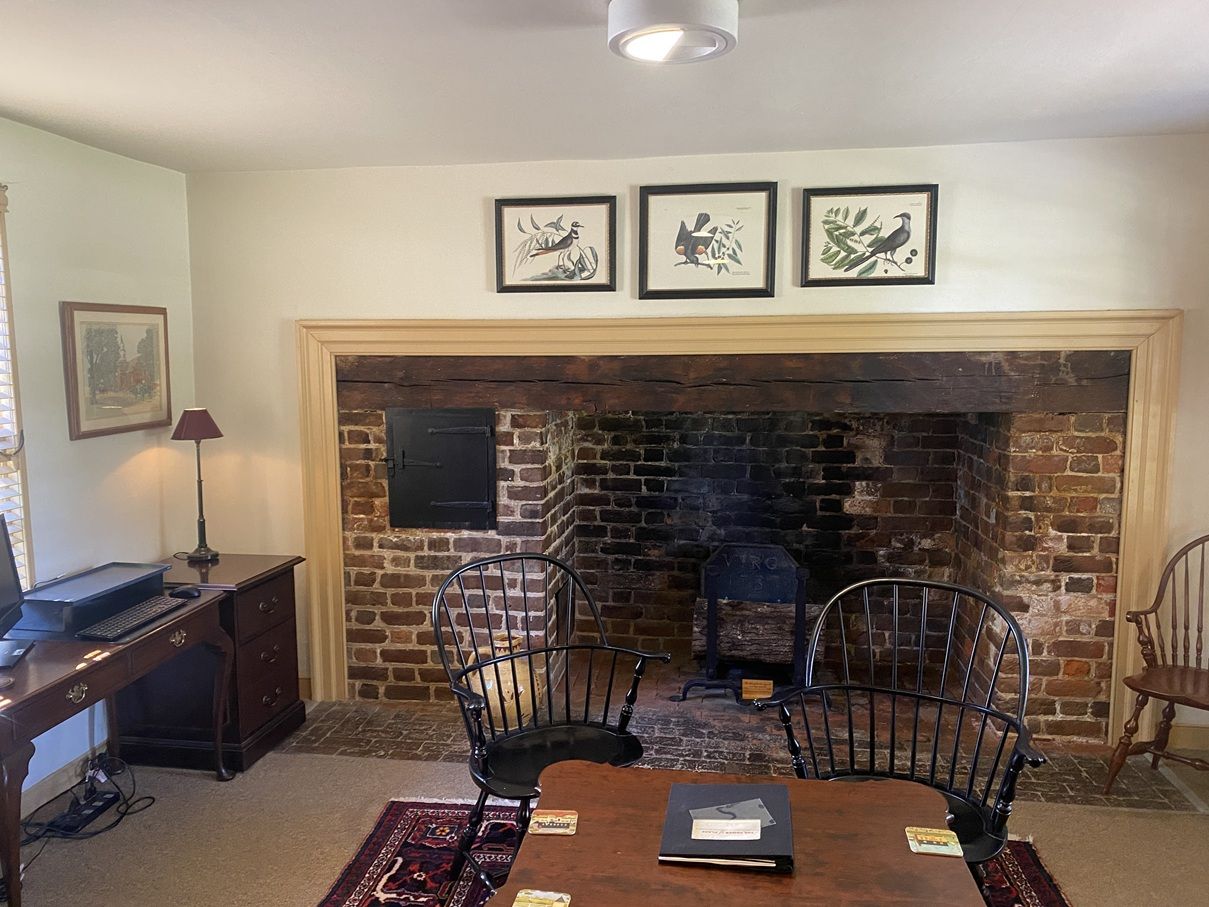 The office with its décor being simple but functional, emphasising utility over display and reflected Tucker’s role as a jurist, professor, and writer. Tucker used his office to prepare lectures for William & Mary, draft legal opinions. As a judge and professor, he maintained extensive correspondence with colleagues, students, and political figures. His office was the centre of this intellectual exchange. Since the Tucker House serves as Colonial Williamsburg’s donor reception centre, the office is more of part of the home’s history and not a room open for tours. 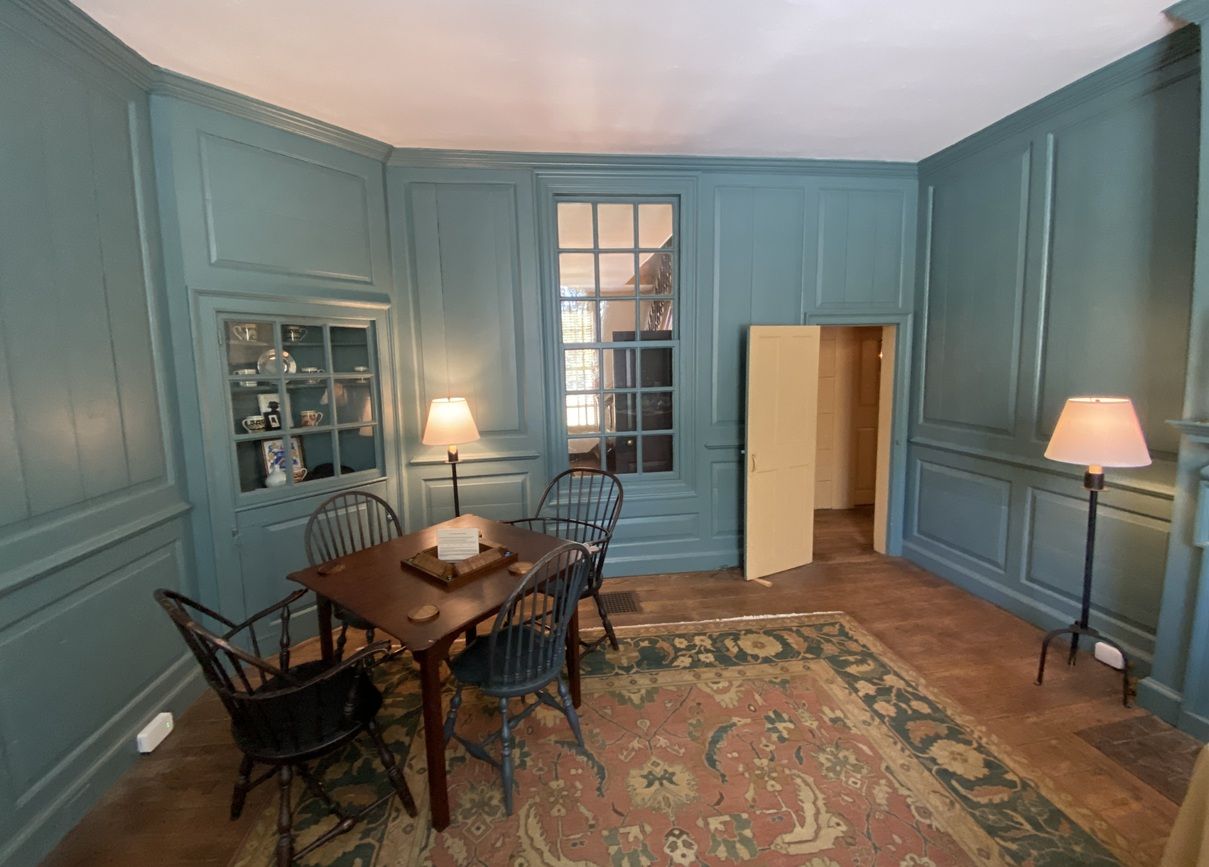 The library in the House isn’t a formal public library but was his personal library which was extensive and influential. It was a vital part of Tucker’s intellectual life. As a professor of law at the College of William & Mary and a judge, he owned volumes of legal texts, political treatises, and philosophical works. Tucker’s library likely included: Legal texts, Political writings and Scientific and literary works. Today many of Tucker’s original books, letters, and legal writings are held in William & Mary’s Special Collections and Colonial Williamsburg archives. 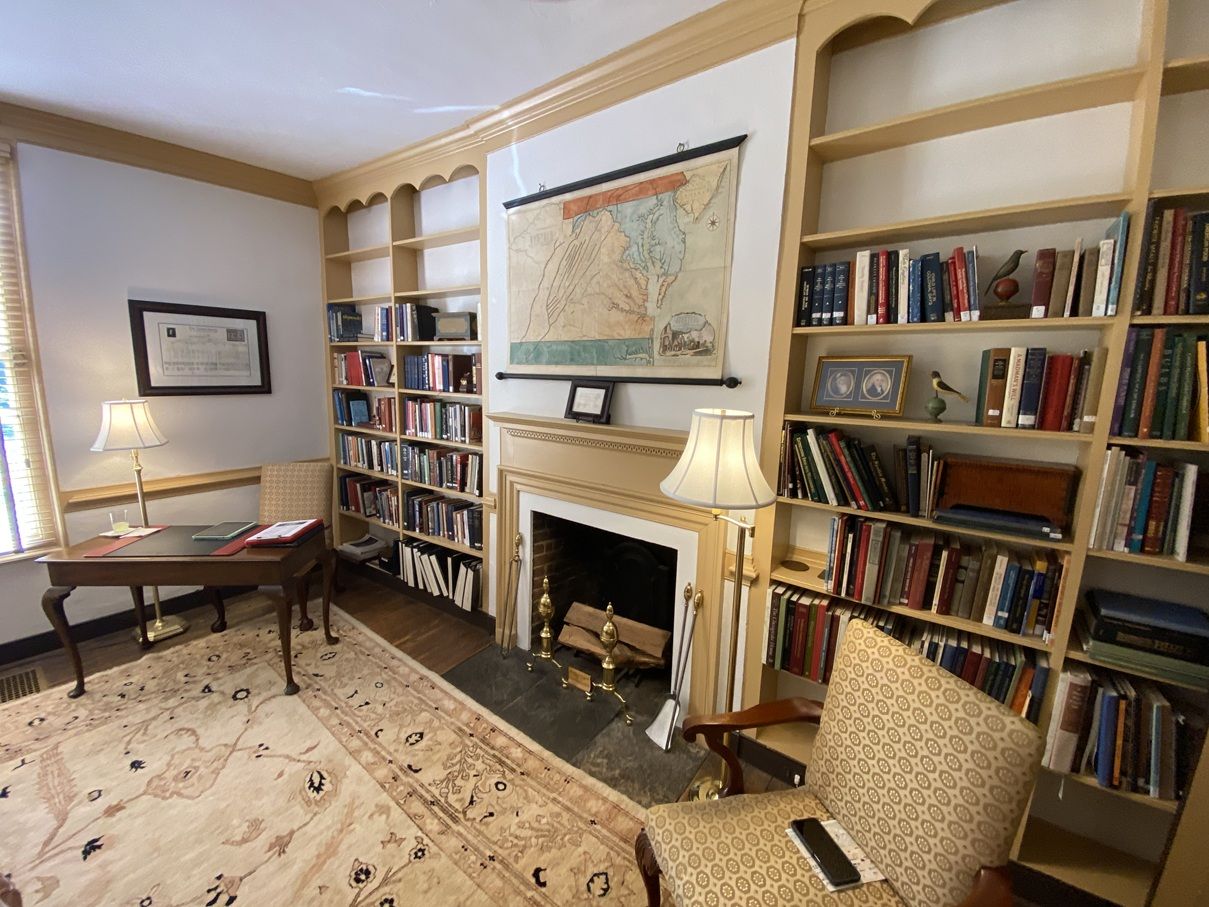 Once the master bedroom was primary sleeping quarters for St. George Tucker and his wife, Frances Bland Randolph Tucker. Although, in 18th‑century Virginia, master bedrooms were often multifunctional and not just for sleeping, but also for nursing children, private conversations, and even small household meetings. The room would have had a large four‑poster bed with curtains for warmth and privacy. Storage chests, wardrobes, or armoires (tall cupboards used for storing clothes and other items). It would also contain wingback chairs or a small settee for reading or conversation. Today, the master bedroom is no longer a private sleeping chamber but functions as part of Colonial Williamsburg’s donor reception centre. 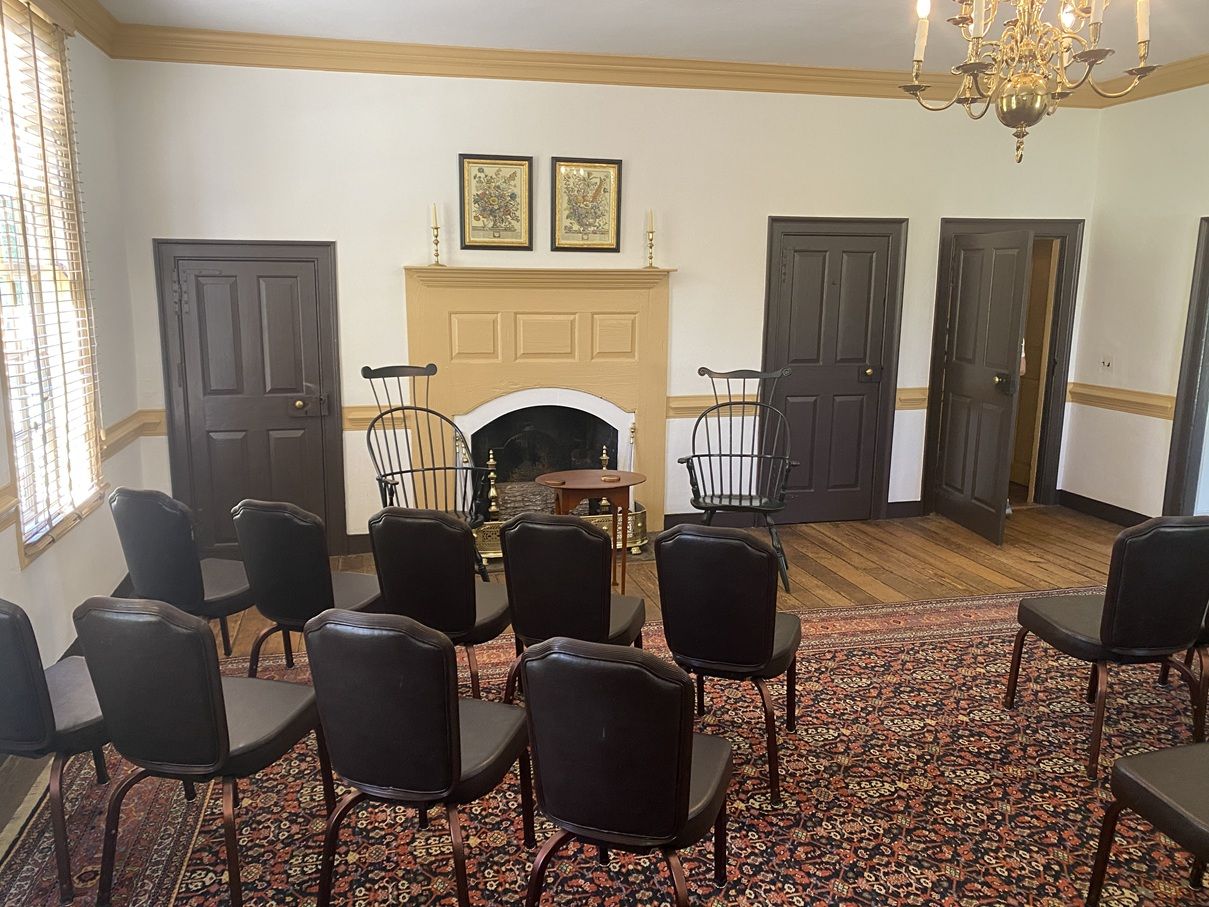 |
 |
|
 |
|||


All Photographs were taken by and are copyright of Ron Gatepain


| Site Map |