





 |
|
|||||||||||||||
 |
||||||||||||||||










 |
||
 |
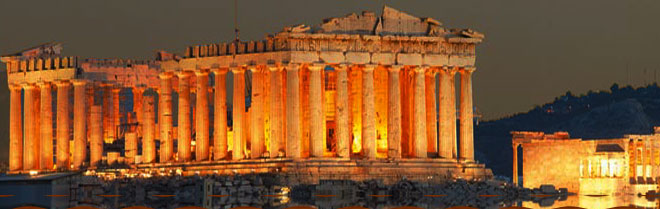
Each region has its own character • Athens & Attica: Ancient sites, vibrant neighborhoods, great food. • Peloponnese: Castles, Byzantine churches, quiet beaches, and fewer crowds. • Crete: A “country within a country”—mountains, gorges, and legendary cuisine. • Cyclades: Iconic whitewashed villages, windy summers, dramatic landscapes. • Ionian Islands: Lush, Venetian-influenced, calmer seas. • Northern Greece: Thessaloniki’s food culture, Mount Olympus, and Macedonian history. Prior to Visit • Greece is in the Schengen Area, so travel is straightforward if you’re coming from another Schengen country. • Keep digital copies of your passport and travel insurance. • Summer airports can be busy—arrive early. Travel • Ferries are iconic but can be delayed by wind (the meltemi). • Domestic flights are often the fastest way between distant islands. • Driving is ideal for the Peloponnese, Crete, and mainland exploration. • In Athens, use the metro—it’s clean, reliable, and avoids traffic. Money & Payments • Cards are widely accepted, but small villages may prefer cash. • ATMs are common; avoid airport exchange counters. Eating out • Better to order meze (small shared dishes) rather than individual mains. • Seafood is priced by weight—ask before ordering. • House wine (krasi) is often excellent and inexpensive. • Don’t expect dinner before 8:30–9 pm in summer. • Tipping is appreciated but modest - rounding up or leaving a few euros is normal. Local Customs • Many shops close in the afternoon, especially outside big cities. • Sundays can be very quiet. • Greeks value friendliness—start with a warm kaliméra (good morning) and you’ll get better interactions. Archaeology & History • Book major sites (Acropolis, Knossos) in advance during peak season. • Visit early morning or late afternoon to avoid heat and crowds. • Smaller sites—Mystras, Delphi, Epidaurus—offer extraordinary experiences with fewer people. Beaches & Nature • Many beaches are not organized—bring water, shade, and sunscreen. • Keep hydrated • Greece has world-class hiking: Samaria Gorge, Mount Olympus, Zagori stone bridges. Weather • July and August bring the meltemi, a strong northern wind in the Cyclades. • It cools the heat but can disrupt ferries—build flexibility into your plans. • Shoulder seasons (May–June, September–October) offer ideal weather. Culture • Greeks are expressive and warm; conversations can feel animated, not aggressive. • Don’t flush toilet paper in many places—use the bin provided. |
 |
 |
||


All Photographs were taken by and are copyright of Ron Gatepain


| Site Map |