





 |
|
|||||||||||||||
 |
||||||||||||||||












 |
||
 |
Bethlehem  Church of the Nativity 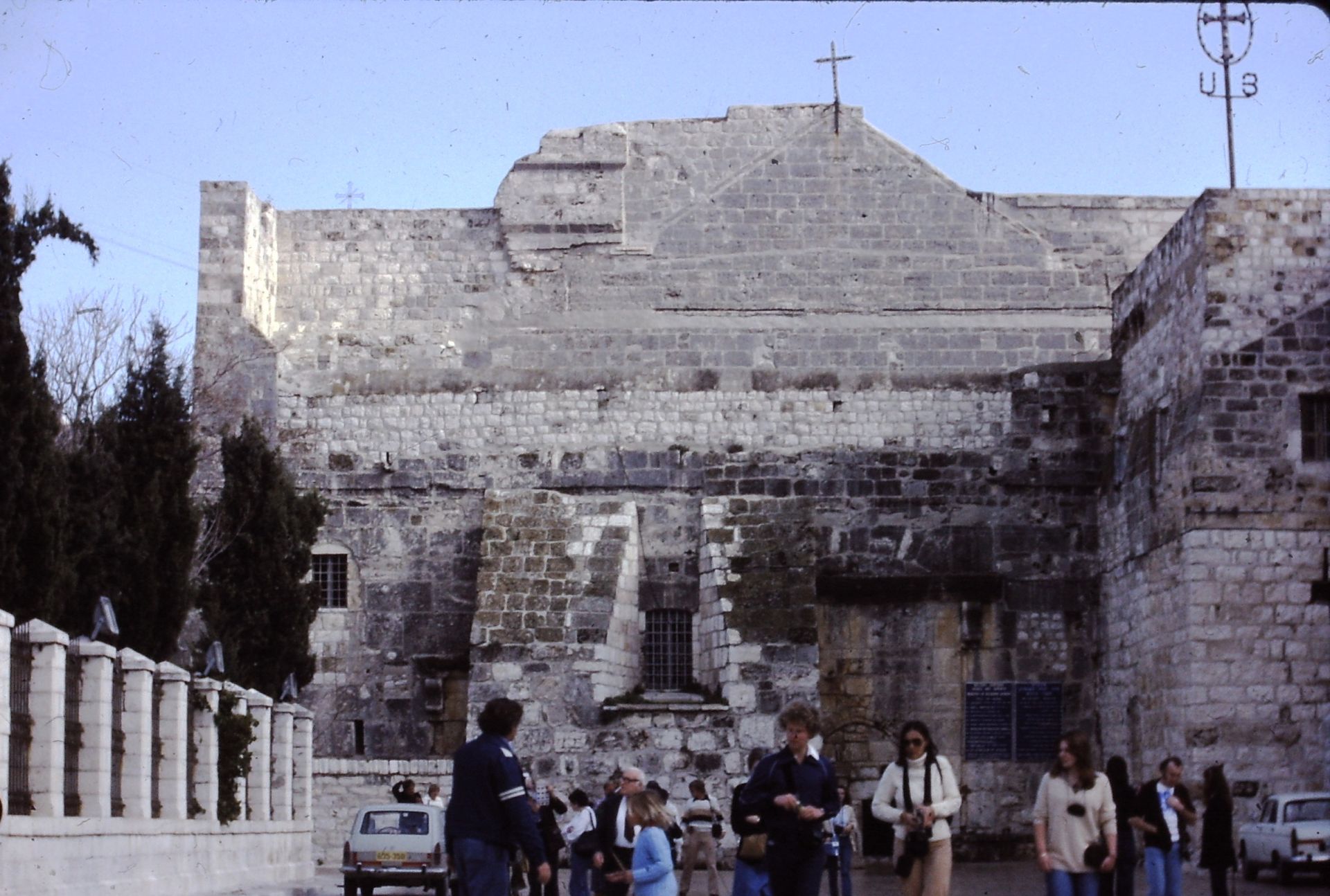 The Church of the Nativity in Bethlehem is one of the oldest continuously used churches in the world and is built over the grotto revered as the birthplace of Jesus. First commissioned by Constantine and Helena in the 4th century it was rebuilt in the 6th century by Emperor Justinian, who preserved its basilica form while adding a cruciform sanctuary. Over time the church gained Crusader mosaics, monastic complexes, and modern restorations, and today it stands as a layered sacred complex shared by Greek Orthodox, Armenian Apostolic, and Roman Catholic communities, centred on the grotto marked by a silver star and approached via Manger Square through the famous low Door of Humility. READ MORE The Church of the Nativity in Bethlehem is one of the oldest continuously used churches in the world and is built over the grotto revered as the birthplace of Jesus. First commissioned by Constantine and Helena in the 4th century it was rebuilt in the 6th century by Emperor Justinian, who preserved its basilica form while adding a cruciform sanctuary. Over time the church gained Crusader mosaics, monastic complexes, and modern restorations, and today it stands as a layered sacred complex shared by Greek Orthodox, Armenian Apostolic, and Roman Catholic communities, centred on the grotto marked by a silver star and approached via Manger Square through the famous low Door of Humility. READ MORE The synagogue, located in Capernaum on the shores of the Sea of Galilee, is mentioned a number of times in the New Testament as the place where Jesus taught and performed miracles. The ruins found today are of the second synagogue dating from the 4th-century which was built on the site of the one dating from the 1st-century. The Capernaum synagogue is one of the oldest synagogues in the world. READ MORE The synagogue, located in Capernaum on the shores of the Sea of Galilee, is mentioned a number of times in the New Testament as the place where Jesus taught and performed miracles. The ruins found today are of the second synagogue dating from the 4th-century which was built on the site of the one dating from the 1st-century. The Capernaum synagogue is one of the oldest synagogues in the world. READ MORE
Jerusalem
Church of All Nations / Basilica of the Agony 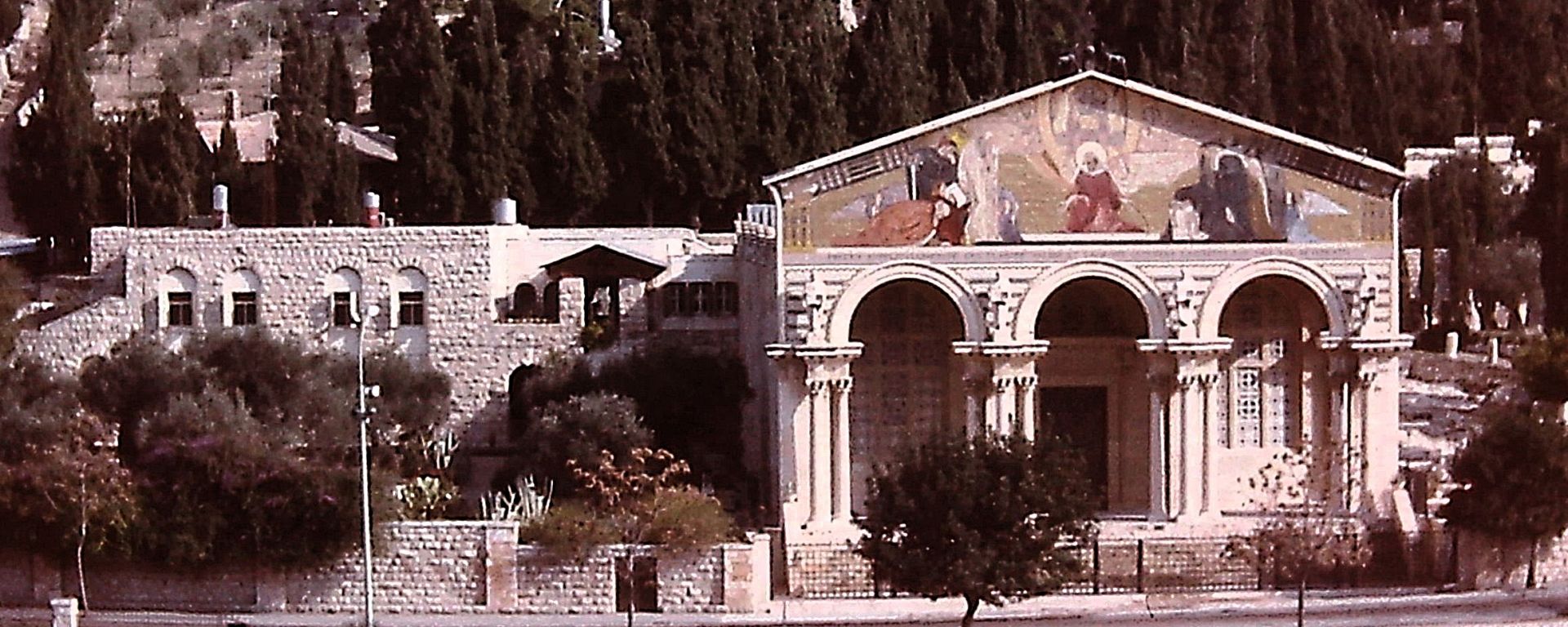 The Church of All Nations, also known as the Basilica of the Agony, is a Neo‑Byzantine Catholic basilica completed in 1924 on the Mount of Olives in Jerusalem, built directly over the Rock of Agony where Jesus is believed to have prayed before his arrest; funded by donations from many countries - whose national emblems appear in its domes - the church incorporates archaeological remains of a 4th‑century Byzantine basilica destroyed in 746 CE and a 12th‑century Crusader chapel abandoned in 1345, and is distinguished by its sombre, twilight‑lit interior, luminous façade mosaic depicting Christ as mediator, and its role as a major Christian pilgrimage site beside the Garden of Gethsemane. READ MORE The Church of All Nations, also known as the Basilica of the Agony, is a Neo‑Byzantine Catholic basilica completed in 1924 on the Mount of Olives in Jerusalem, built directly over the Rock of Agony where Jesus is believed to have prayed before his arrest; funded by donations from many countries - whose national emblems appear in its domes - the church incorporates archaeological remains of a 4th‑century Byzantine basilica destroyed in 746 CE and a 12th‑century Crusader chapel abandoned in 1345, and is distinguished by its sombre, twilight‑lit interior, luminous façade mosaic depicting Christ as mediator, and its role as a major Christian pilgrimage site beside the Garden of Gethsemane. READ MOREMasada Herod's Fortress 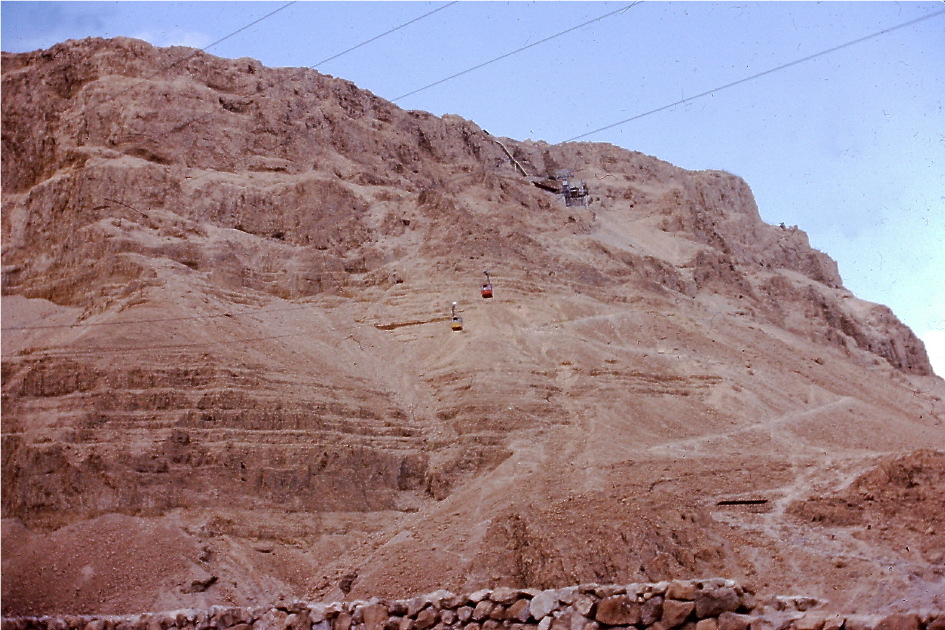 The cliff top fortress of Masada is located about 30 miles southeast of Jerusalem. Rising 450 meters above the shores of the Dead Sea, at the western end of the Judean Desert, it provides a natural defensive position with steep mountains on all sides. The cliff top fortress of Masada is located about 30 miles southeast of Jerusalem. Rising 450 meters above the shores of the Dead Sea, at the western end of the Judean Desert, it provides a natural defensive position with steep mountains on all sides.A fortress is believed to have existed on the site since the time of Jonathan Maccabeus in the 2nd century BCE and it is known that Herod the Great, King of Judaea (37-4 BCE) fled to it in 42 BCE when the Parthians took Jerusalem. READ MORE Nazareth Church (Basilica) of the Annunciation 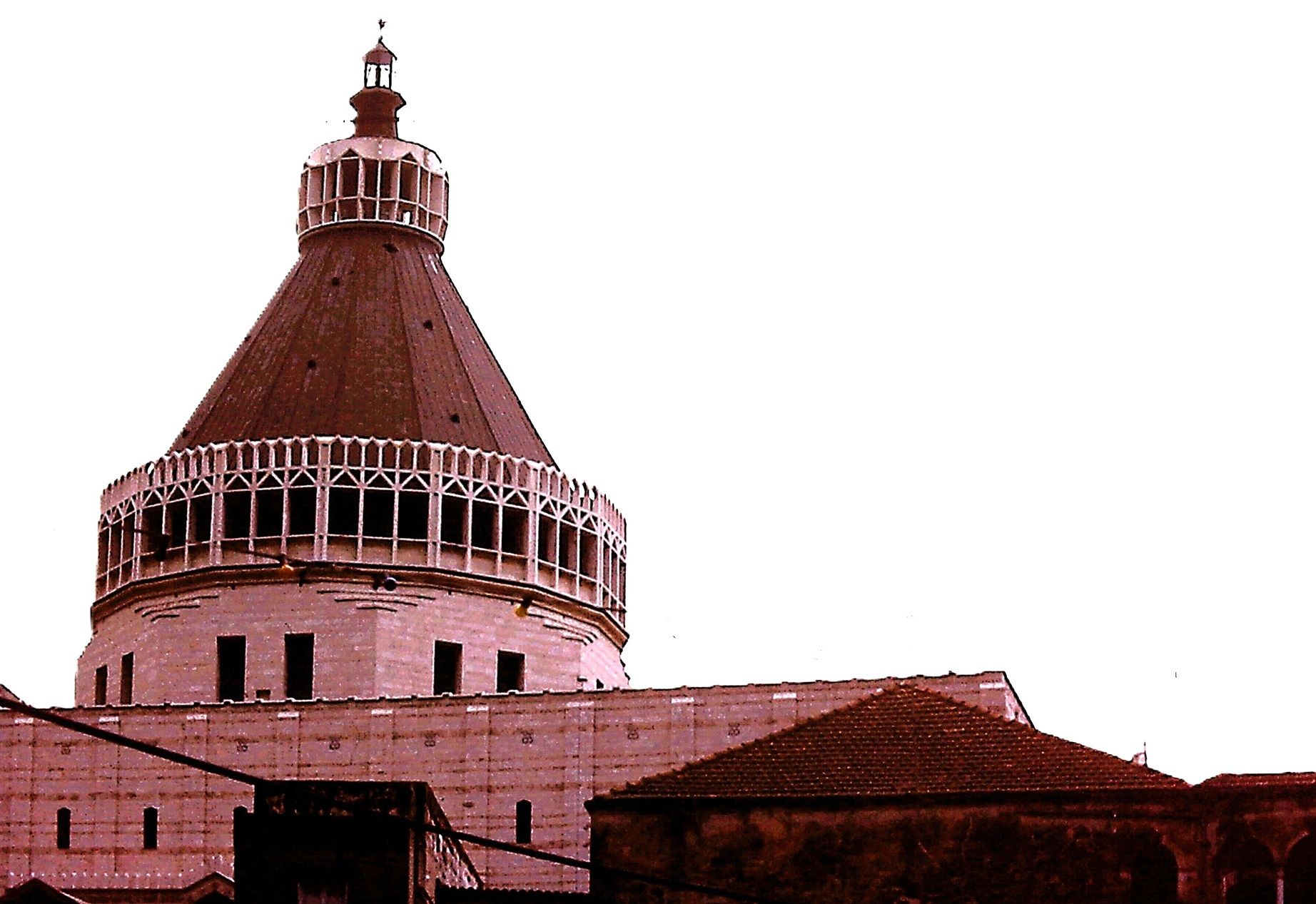 The Church (Basilica) of the Annunciation in Nazareth is a modern Catholic Basilica completed in 1969 and designed by Italian architect Giovanni Muzio, built over the site that Catholic tradition identifies as the house of the Virgin Mary, where the Angel Gabriel announced the Incarnation. It rises in two levels: a lower basilica preserving the grotto and archaeological remains of earlier Byzantine and Crusader churches, and an expansive upper basilica with soaring concrete architecture, stained‑glass symbolism, and a global collection of Marian artworks. Its 55‑meter lily‑shaped cupola dominates Nazareth’s skyline, expressing Mary’s purity, while the façade’s carvings and inscriptions proclaim the Annunciation narrative. Revered as one of Christianity’s most significant pilgrimage sites, the basilica blends ancient devotion with 20th‑century design and architectural evolution. READ MORE The Church (Basilica) of the Annunciation in Nazareth is a modern Catholic Basilica completed in 1969 and designed by Italian architect Giovanni Muzio, built over the site that Catholic tradition identifies as the house of the Virgin Mary, where the Angel Gabriel announced the Incarnation. It rises in two levels: a lower basilica preserving the grotto and archaeological remains of earlier Byzantine and Crusader churches, and an expansive upper basilica with soaring concrete architecture, stained‑glass symbolism, and a global collection of Marian artworks. Its 55‑meter lily‑shaped cupola dominates Nazareth’s skyline, expressing Mary’s purity, while the façade’s carvings and inscriptions proclaim the Annunciation narrative. Revered as one of Christianity’s most significant pilgrimage sites, the basilica blends ancient devotion with 20th‑century design and architectural evolution. READ MORE |
 |
 |
||


All Photographs were taken by and are copyright of Ron Gatepain


| Site Map |